
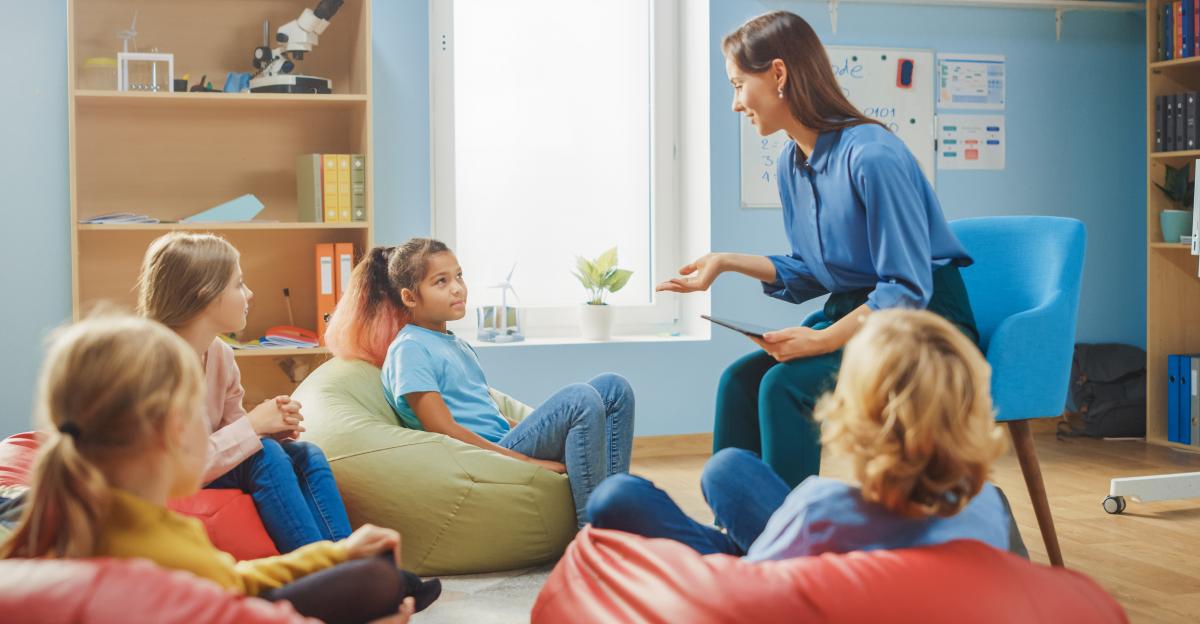
For decades, we’ve updated our curriculum, adopted new technology, and refined our teaching methods to meet the needs of modern students. However, if you examine many classrooms, the environment itself remains stuck in the past.
Classic layouts that feature rows of desks and a single focal point make it harder to support the dynamic, collaborative learning today’s students need. But what if your classroom could do some of the heavy lifting?
Classroom Design That Supports Learning
Educational psychologist Loris Malaguzzi described the classroom as the “third teacher,” meaning the environment has as much influence on a child’s development as parents or educators. When intentionally curated, your space can become a powerful tool that either constrains or amplifies great teaching.
To truly engage students, the classroom needs to be an active participant in the learning process. Here’s how flexible design shifts the burden:
- From Passive to Active: Traditional desk rows often force a singular, passive learning style. Flexible seating encourages active participation and peer-to-peer learning by letting students easily reconfigure their space for group or individual work.
- Empowerment and Agency: Allowing students to choose their preferred spot for an activity gives them agency over their learning experience, resulting in more engaged and invested students.
- A Focus Boost: A comfortable and intentionally designed environment can reduce anxiety and significantly improve student focus.
I saw this firsthand as a teacher. When I introduced alternative seating options and gave my third graders the freedom to choose where they felt most comfortable, the results were astounding: they were noticeably more engaged, collaborative, and invested in class discussions.
Classroom Design Benefits for Teacher Well-being
Supporting student outcomes is critical, but classroom design also benefits the educator directly. When students are more engaged and focused, teachers experience fewer classroom disruptions and have less need to intervene in misbehavior. This directly alleviates a major source of stress, enabling teachers to focus on instruction rather than discipline.
Intentional design creates a more sustainable environment for educators and is a tangible step toward reducing staff turnover.
To make this happen, school leaders can help by:
- Honoring Teacher Voice: Schools can establish adaptable design standards, but must partner with teachers to shape how the space works best for their specific instructional needs.
- Starting Small: Meaningful change does not require a full-scale overhaul. For hesitant teachers, even small steps, such as rearranging existing furniture or introducing one or two new pieces, can make a space feel refreshed and more responsive to their needs.
Investing in environments that are flexible, adaptable, and prioritize well-being is a strategic move to address issues like stress, burnout, and student disengagement. When teachers feel valued and empowered in your space, it creates a more positive work environment for them and a more effective learning experience for students.

Dr. Sue Ann Highland
Sue Ann Highland, PhD, is the National Education Strategist for School Specialty. She has more than 25 years of experience as an educator, administrator, and consultant with school systems across the United States, with broad expertise in designing and creating highly effective learning environments.
Read more by Dr. Sue Ann Highland–>

Leave a Reply