
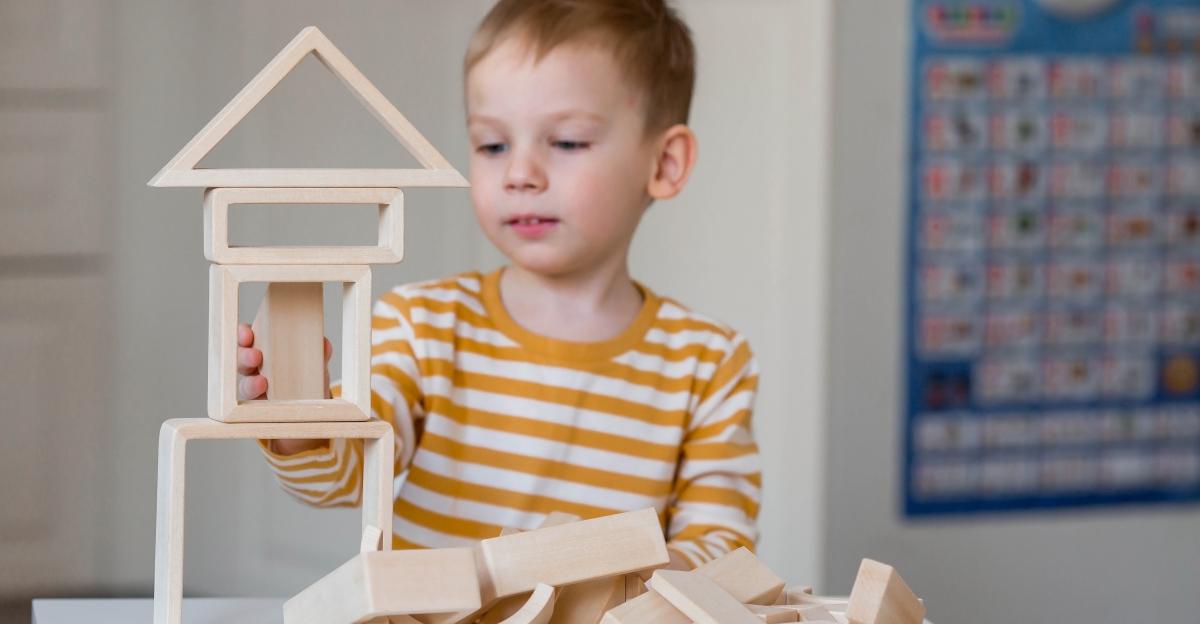
After you’ve been in your classroom for a few weeks, you may find that levels of understanding vary widely from child to child in your classroom. The amount of time they spend with you in class is already set, but by providing math activities and extensions outside the classroom, you can help deepen their understanding and build their confidence.
Read on for four easy-to-implement ideas for enlisting parents, volunteers, and tutors to extend learning beyond your classroom. These activities offer flexibility, making them easily adaptable for intervention pull-outs, at-home learning, after-school programs, in-class instruction, and more.
1. All fun and games
A fun game can help take the frustration out of learning and boost students’ motivation to practice their math skills. There are many math-focused card games (like Cribbage) and dice games (like Farkle), that your students may already be playing at home. Send them home with a deck of playing cards or a set of dice, along with simple game instructions that everyone in the family can play together.
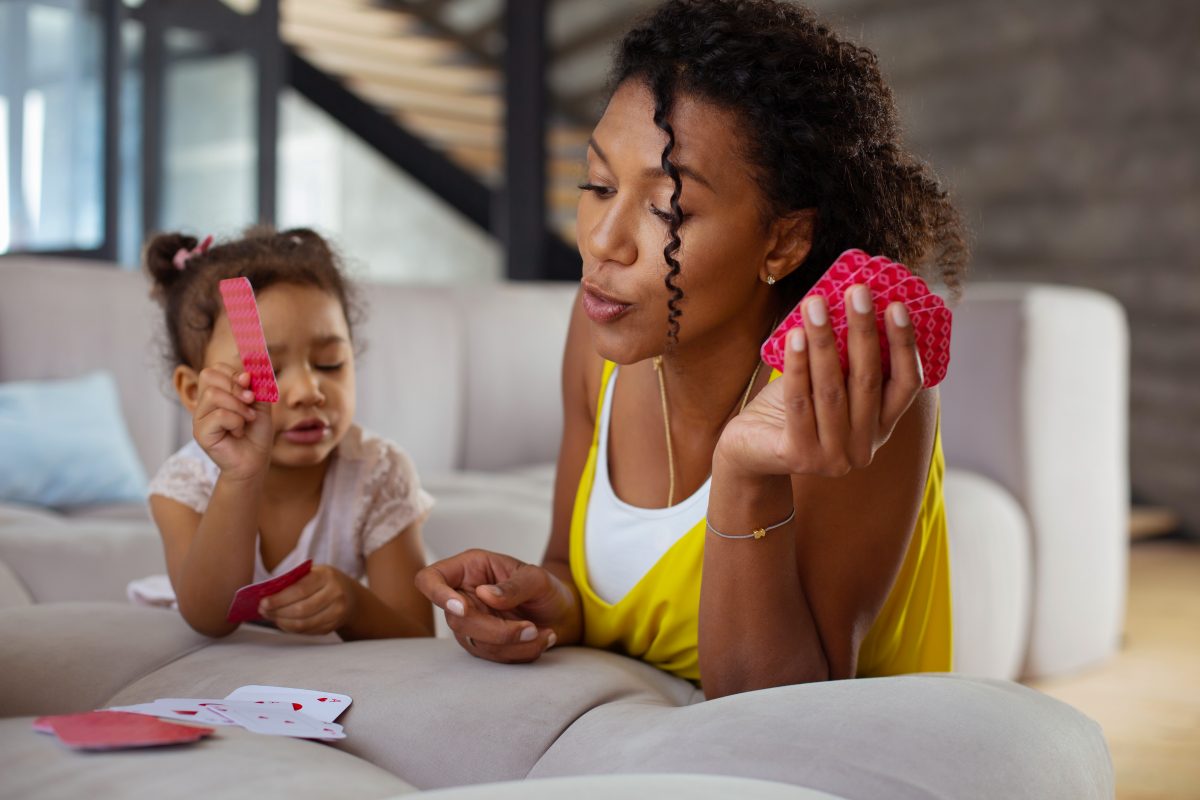
One of the most flexible games is a math version of the card game War.
- Start by removing all the face cards and jokers so that you have cards for one (ace) through 10.
- Deal cards out into two equal stacks, one for each player.
- Decide at the beginning which operation you want to practice: addition, subtraction, multiplication, or division. Also, determine if you want to use negative integers, in which case red suits represent negative numbers and black suits represent positive numbers.
- To play, each player flips the top card from their pile face up. Players try to be the first to shout out the correct answer based on the two cards turned up. For example, if a three of hearts (-3) and two of spades (2) are turned up and you’re practicing multiplication and using negative integers, the correct answer would be -6.
There are also countless math-specific games that cover a wide variety of concepts and ability levels. You can create a check-out system to send them home with students, and they’re a great option for pull-outs and tutoring sessions with a single student or small group. The included instructions mean you don’t have to provide detailed instructions to parents, volunteers, or other educators.
2. Envelopes of equivalents
Matching equivalents and equivalent expressions is another math activity that can be easily adapted to a wide range of concepts. Create pairs of equivalents that you can cut out, place in envelopes, and send to students anywhere.
- Draw a straight, curved, or jagged line down the center of a piece of cardstock to create two columns. A curved or jagged line will make it easier for students to match pairs up, because they will fit like puzzle pieces.
- Draw multiple horizontal lines to separate the two columns into rows. Each row is a matched pair.
- Write your choice of equivalents for each pair, such as fractions/decimals/percents or algebraic expressions. You could also add complexity by having two or more pairs equal the same thing, so that there isn’t just one correct answer.
- Print off a copy of the sheet to use as an answer key. Seal the answer key in a small envelope or with a sticker. Providing a key will help parents and volunteers feel confident as they check students’ work.
- Then, cut the pieces apart and put them in a larger envelope with the answer key. This small, flat activity can easily travel with students anywhere!
If you’d like an alternative that doesn’t require DIY, check out equivalence dominoes or flash cards.
3. Time to measure up
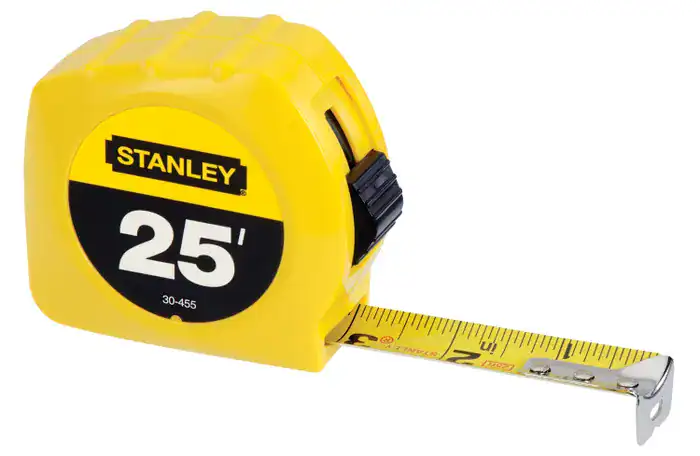
Measuring is a great hands-on math activity that kids can do anywhere, either by themselves or with an adult’s help. Create a simple worksheet that asks students to solve real-world geometry questions by taking measurements with a simple retractable tape measure. Examples of questions you could pose for at-home or in-school learning include:
- How many square feet of carpet would you need for this classroom/your bedroom?
- If one can of paint covers 400 square feet, how many cans would you need to paint the walls of this classroom/your bedroom? What if you also painted the ceiling?
- Measure your stride. How many steps would it take you to walk around the perimeter of this room? How many steps to walk from one corner to the opposite corner?
Next, you could ask students to brainstorm bigger questions they could answer with these same principles, such as:
- How much artificial turf is needed for a standard football or soccer field?
- How much paint would it take to cover a standard basketball court?
- How many steps would it take to walk around the equator? From the North to the South Pole?
4. Get hands-on with percents
Create or buy 100-bead strings or necklaces to help students get familiar with estimating and visualizing percentages. When each student has their own, they can easily wear or carry them to class, home, the library, or anywhere else they go.
Follow these steps to have each student create their own string or necklace:
- Provide each student with a length of string and 50 beads of each of two different colors. For necklaces, make sure that the string is long enough to easily fit over their head when the ends are tied together.
- Instruct students to string the beads in alternating sections of the two colors. You can choose if you would like them to group the colors in 5s or 10s. Grouping like this will help students count more quickly when using the beads to show percentages.
- If creating a string, tie knots at both ends to prevent beads from sliding off. If creating a necklace, tie both ends together securely.
Once they have their strings or necklaces, you can ask parents and volunteers to have students estimate percentages of things around them, then show their estimates on their necklaces. Some examples could be:
- What percentage of this shelf is full of books?
- How full is this glass of water?
- How much of your arm does your sleeve cover?
Count on more student engagement
You’re not on your own! With these simple math activities, you can enlist parents, volunteers, and tutors to help you boost student learning in and out of the classroom.




Leave a Reply