
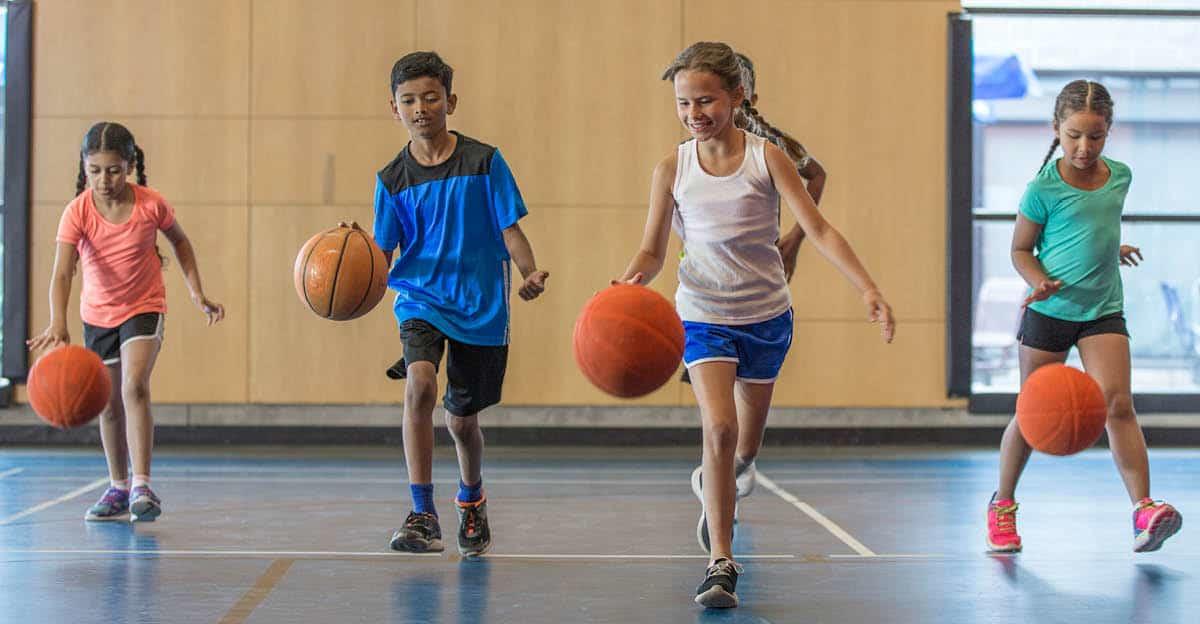
Today, most parents and educators alike know that children need at least 60 minutes of moderate to vigorous exercise each day. While encouraging children to spend an hour being active might not seem like much of a challenge, the truth is that we’re living in a world where youngsters are spending more time glued to television screens and rooted to classroom desks.
Table of contents
About 3 out of 4 children get less than an hour of physical activity each day. This problem can be linked to fewer physical education classes, reduced recess opportunities, and children spending around 30 hours per week on “screen time.”
Celebrating National Physical Fitness and Sports Month
May is “National Physical Fitness and Sports Month,” making it the perfect time for schools to start prioritizing activity and introduce the benefits of regular movement to their students. Here are 5 ways you can celebrate the advantages of an active lifestyle at your school to help develop a culture of fitness for the future.
1. Introduce In-Lesson Physical Activity
Today, school administrators across the United States are restricting opportunities for physical activity in classrooms. In an effort to focus more on academic achievement, recess has been reduced to minutes per day, and physical education classes are becoming increasingly infrequent.
Unfortunately, research suggests that P.E. and recess aren’t just crucial for fighting obesity and other common weight-related health problems; they’re also essential for boosting cognitive development. Regular physical activity promotes better circulation and blood flow throughout the body, enhances focus, and helps children perform better academically. One way for teachers to overcome this issue is to build physical activity into their lesson plans.
2. Celebrate Fitness with Special Events
All children love a chance to celebrate something, even physical activity. That’s why National Physical Fitness and Sports Month is a great time to get them involved with special days and community events. On May 10, children from around the country can join families and community partners by walking or biking to school. Schools across the U.S. can register their 2017 events to enter free helmet and bike prize draws.
Alongside a “bike or walk to school” day, you can also encourage parents and students in your school to help you come up with additional events and fundraisers. From a jog-a-thon to a hula hooping money-raising event, the whole community can get involved with exercise-friendly fun. What’s more, these fundraising opportunities will give you a chance to build the cash you need to invest in new materials that can help put fitness first.
3. Invest in New Materials
Sometimes, improving the culture of active learning in a school environment is all about ensuring you have the right resources. There are various low-cost, high-reward materials available that are already aligned with national and state physical education standards.
Digital programs, music, and even simple task cards can help teachers start developing new curriculum and lesson plans for a more active future. During National Physical Fitness and Sports Month, schools could examine the resources they already have by reaching out to community and school fitness experts. A little investment and some research could open the door to dozens of new and healthy educational programs.
4. Get Creative
We’ve already established that teachers don’t need to restrict physical activity to P.E. lessons and recess. The time between lessons can be used to ensure physical activity throughout the whole day, without detracting from instructional periods. For instance, you could:
- Use fitness activities to get students moving during advisory or homeroom periods.
- Play uplifting music to promote movement during breaks.
- Make exercise programs available during lunch periods and before and after school.
5. Encourage Students to Take Charge
Finally, remember that National Physical Fitness and Sports Month is the perfect time for teachers and parents to encourage students to take charge of their own healthy habits. If educators can help children understand the benefits of regular movement and offer interesting ways for them to get active, they’ll be more likely to try it.
“Students Taking Charge” is the Action for Healthy Kids framework that empowers high school students to create and lead their own nutrition and physical activity initiatives with help from adults and teachers. Student teams can build their own programs from scratch and transform how they view fitness through groups and activities that appeal to them.
In a world where it’s becoming harder to engage students in physical activity, giving them control over their fitness is the perfect way to promote positive habits. Don’t miss out on all the advantages of promoting National Physical Fitness and Sports Month at your school.


Add more things please