
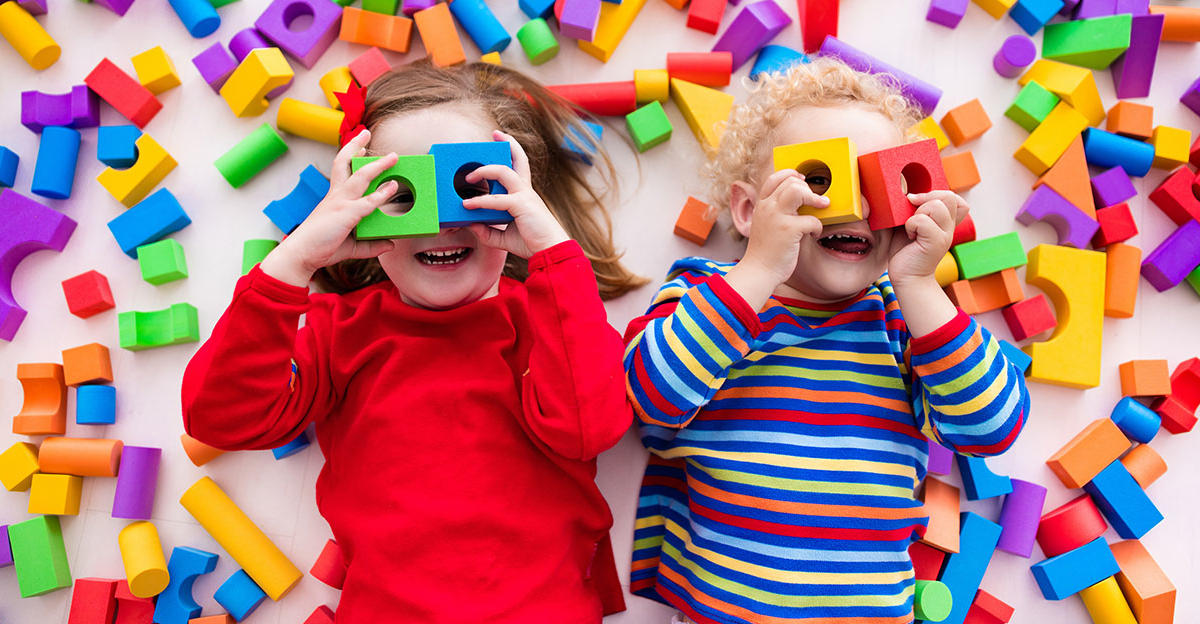
Blocks have been described as the tool you can’t teach without. This statement is true, given that block play readily supports children’s development across all areas. Not only does it enhance growth in oral language, social and emotional learning, and gross and fine motor skills, but it also supports development as it relates to STEAM, which is the integration of science, technology, engineering, art, and math.
First, block play supports the development of many foundational science concepts that underpin engineering, problem-solving, and creativity. As children build and construct, they experience and experiment with basic scientific concepts such as gravity, force, balance, stability, and cause and effect. They are also exploring the physical world, such as the properties of matter, as block play affords them the opportunity to interact with colors, shapes, textures, and weight.
As they work with blocks made of wood, foam, or cardboard, they’re using their five senses to learn about each block’s physical characteristics. Imagine the inherent learning children gain when a car will not move on a ramp because it is lying flat. By raising the ramp, the child gets the car to roll and experiences the law of physics and cause and effect via their actions. No teacher is giving a lesson on gravity; rather, the activity itself is doing the teaching.
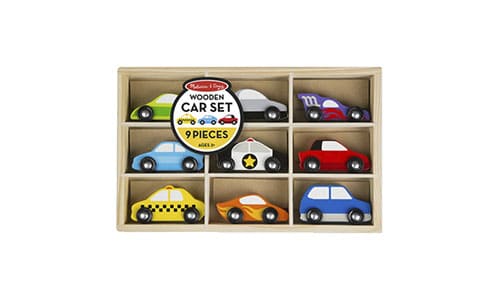
The ramp example provides a natural venue for children to work their way through the steps of the engineering process. As children play with blocks, we may see them go through sequences similar to those used by engineers. They may identify a problem or ask a question. In the ramp example, they may wonder how to make a car go down a ramp or move faster down a ramp. They may need to do some research by gathering information on the problem. We may see them trying different cars, different types of ramps, or different ramp heights.
Next, children could begin to hypothesize what will happen if they lift the ramp higher or use a smaller vehicle. This could lead to testing out the hypothesis. Then they may analyze results for varying ramp heights or car sizes. Finally, presenting a conclusion could take the form of a verbal report to a teacher or a picture drawn in their daily journal.
The arts can readily be integrated into STEAM activities as children use their creativity to combine open-ended blocks in countless ways. They may notice colors, shapes, patterns, and textures. Working with blocks is perfect for self-expression and for appreciating the artistry of a block-play creation.
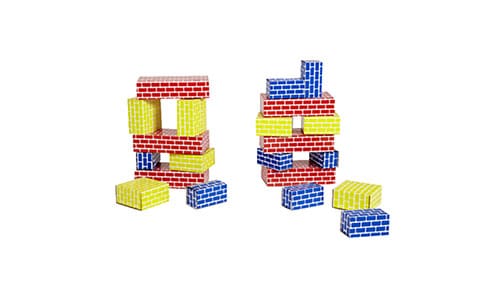
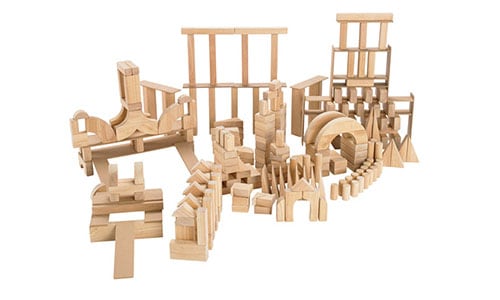
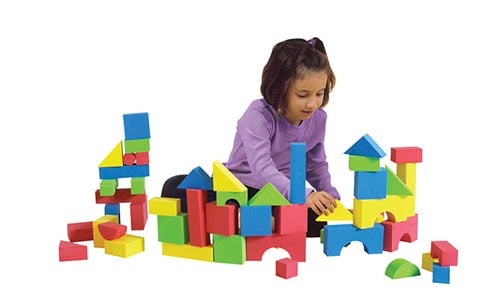
There are also many foundational mathematical skills that can be learned and practiced as children work with blocks. Number sense can be developed as children use blocks to count, seriate, add, and take away. Other math skills, such as geometry and spatial sense, are honed as children use blocks of different shapes, work with spatial configurations, and create constructions with symmetry. Measurement skills are important in the early years and include comparing size, volume, area, and weight – activities that can be easily done using blocks.
Finally, classification and pattern are practiced as young learners notice similarities and differences, sort blocks, or use them to create patterns. All of these mathematical interactions with blocks are crucial in laying the foundation for later math skills. Studies even show that block play is fundamental for later cognitive success in learning math, numbers, and algebra, thus helping children do better in math in their later school years.
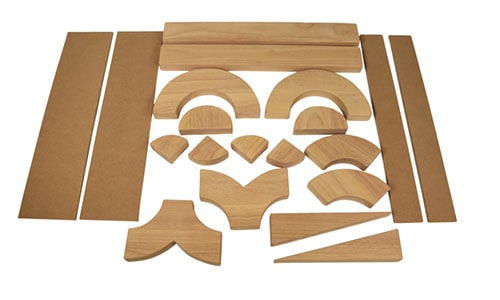
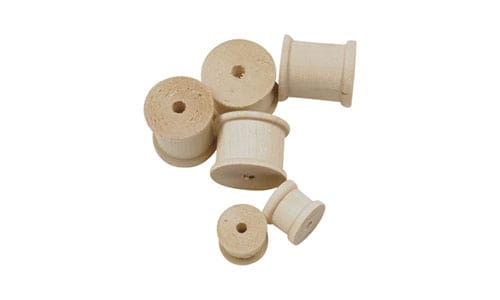
The one area of STEAM we have not yet mentioned is technology. While most think of technology as tablets, laptops, and smartphones, the true definition is anything that helps us do work. Therefore, integrating technology into block play can be as easy as adding accessories that help children create structures to solve a problem. Items can range from craft sticks and tape measures to masking tape and wooden spools.

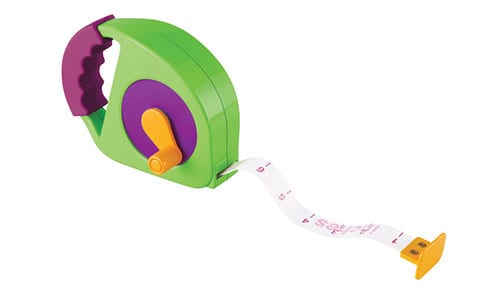
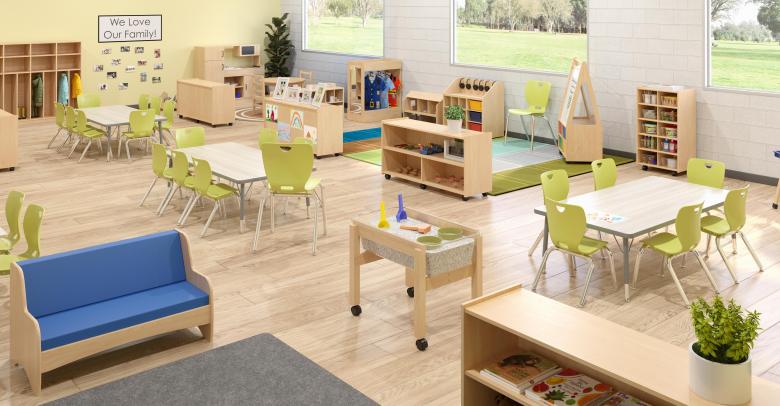
Ensuring a well-stocked block area with a wide variety of open-ended materials is an easy way to support STEAM skills. Giving children the time and space to solve problems as they integrate science, technology, engineering, arts, and math is a simple task for any teacher. So, while block play may already exist as a popular learning area of your classroom, embrace it as a garden for growing our future engineers, scientists, and STEAM experts.

Jennifer Fernandez
Jennifer has over 30 years of experience in education. She has degrees in Elementary Education, Spanish, and Bilingual Education and holds teaching licenses in Texas and Minnesota. She has taught PreK-2nd grade in general and bilingual settings, served as a professional learning specialist for seven years, and currently presents at state and national conferences.
Read more by Jennifer Fernandez–>


Leave a Reply