
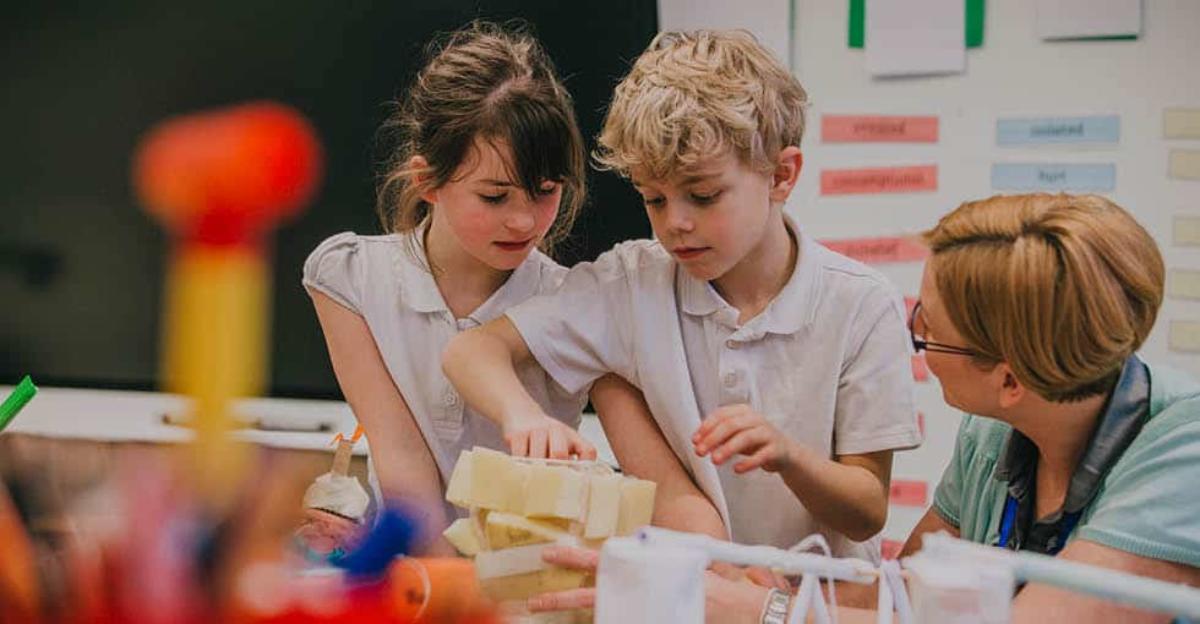
Art integration starts with the aspiration to see students more engaged and excited about learning. The research shows that integrating art concepts into the math classroom not only enhances engagement but also helps build a deeper understanding of math. We’ll cover some of the benefits of art integration and highlight the reasons why math and art concepts make such a powerful combination.
However, successful art integration requires educators to train and be intentional. Collaboration and planning ahead are needed to integrate art into subjects like math, science, social studies, or language arts effectively.
Why Math and Art Work Together
Art-integrated lessons and projects have been shown, over nearly 30 years of research, to be a boost to the effectiveness of educating confident, creative, young minds. Incorporating art has offered the following benefits to participating students:
- Improved standardized test scores
- Individualized learning opportunities
- Reduction in classroom disruptions
- Increased attendance rate
So, what makes art a natural companion to many math concepts? The answer lies in changing how concepts are learned and practiced. Some of the most basic art principles, like balance, proportion, and variety, and concepts like line, space, and shape, can be found in math equations and story problems. Students use art skills to find math solutions, and math concepts to create art.
Instead of separating these skills and concepts, the similarities between the two are used to reinforce both subjects. Applying a math lesson on measuring lines to the creation of an art project with specific measurements allows students to engage more areas of the brain simultaneously. These projects and activities increase engagement and understanding and allow teachers to determine whether a student requires intervention.
Integrated Lesson Plans for Math and Art
For Educators interested in the research-backed benefits of art integration, math class is a great place to start. New Learn It By Art® Art Integration Math Kits are the all-in-one option for busy teachers who want to spark creativity, boost engagement, and increase math proficiency. Building 21st-century skills is crucial for preparing for upper-level education and careers. Hands-on activities like these can help build the foundational skills that will support 21st-century skills down the road.
Students of all ages, regardless of learning style or artistic talent, can benefit from a more engaging and creative educational experience.

Leave a Reply