
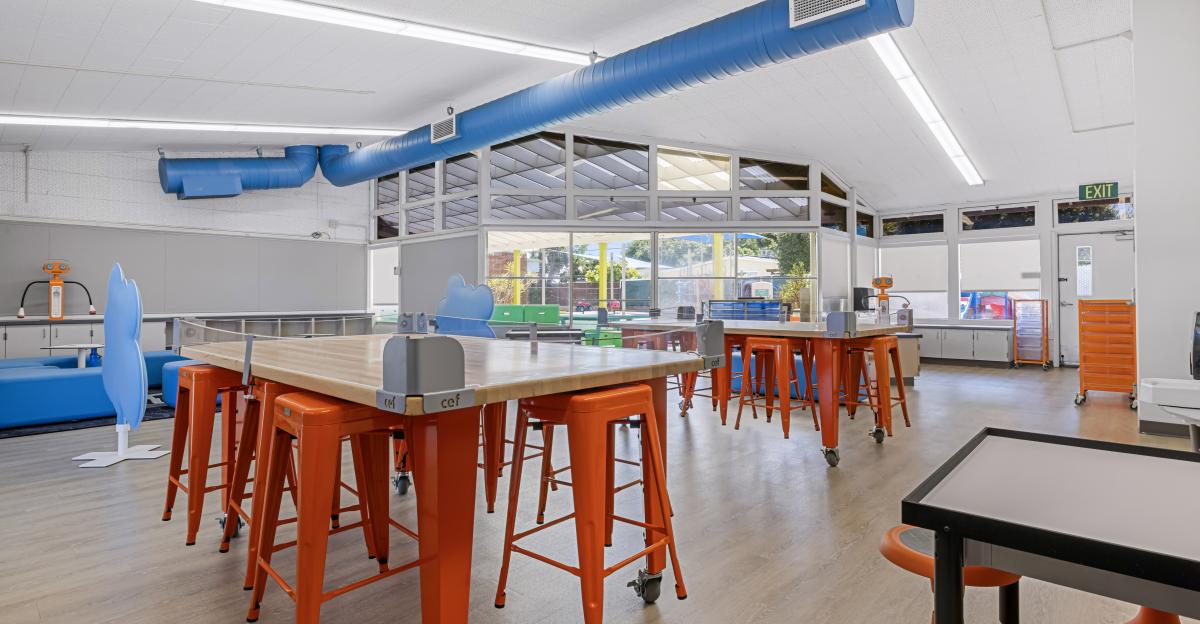
The skills today’s students need to learn are changing quickly. In fact, nearly 40 percent of the skills used in the workplace today will change by 2030, Forbes reports—and that’s just a few short years away.
To keep pace with rapidly changing workplace needs and ensure that graduates are fully prepared for the jobs of the future, the content that educators teach—and the tools and methods they use in their instruction—must evolve as well.
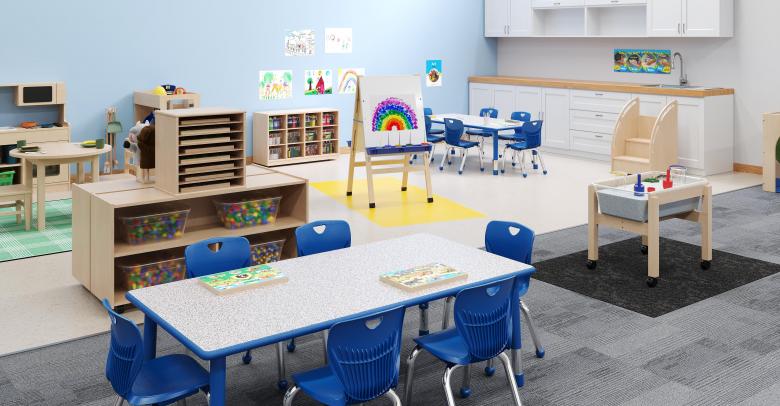
To support these changes, classrooms and other learning environments must be highly flexible, fluid, and adaptable spaces.
Table of contents
- Benefits of Flexibility
- How to Design with Flexibility in Mind
- Start with Large, Open Spaces and Fewer Interior Walls
- Use Movable, Modular, and Height-adjustable Furniture
- Choose Solutions with More Than One Use or Purpose
- Opt for Portability Over Fixed. Wall-mounted, Solutions for Storage and Presentation
- Provide Sufficient Technology Infrastructure
- Versatility is Key
Benefits of Flexibility
The No. 1 reason to design, furnish, and equip learning environments in a way that maximizes flexibility is that it enables educators to use these spaces in many ways, depending on their needs in the moment.
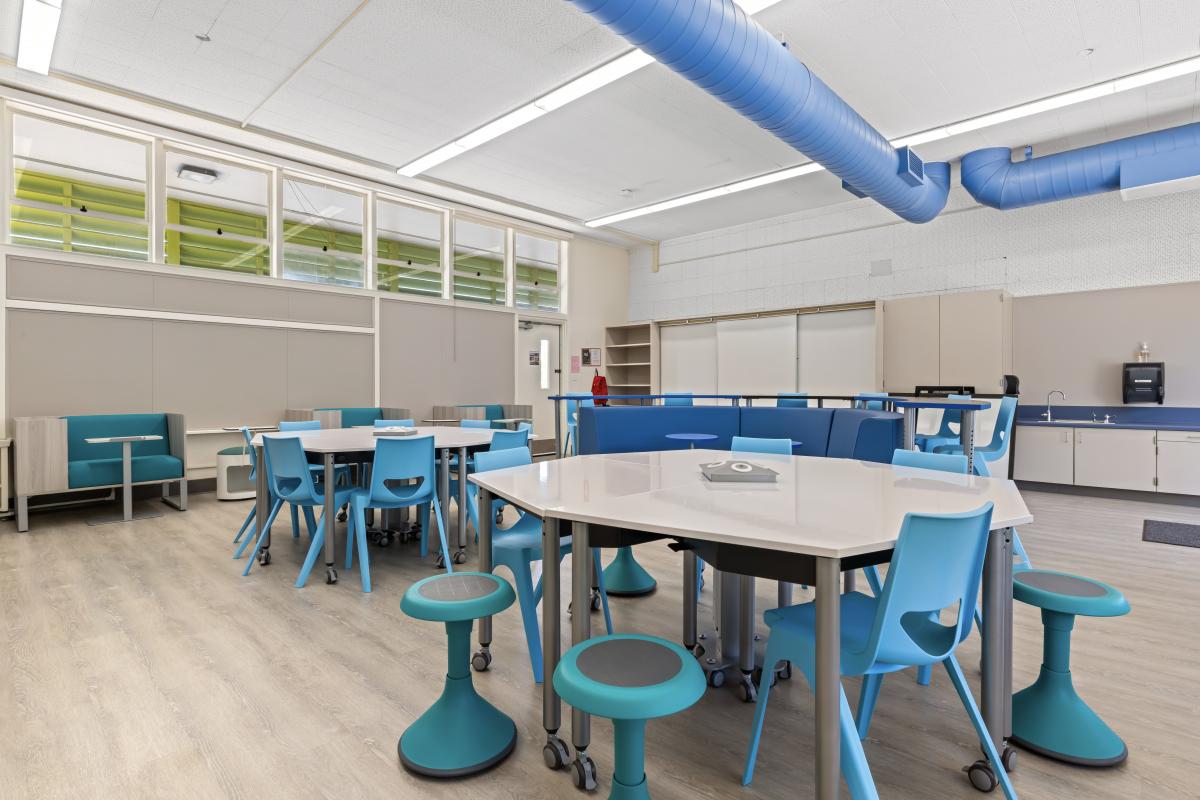
For instance, the traditional factory-era model with individual desks arranged in neat rows works well for direct instruction, but it isn’t conducive to supporting the type of hands-on, collaborative learning today’s students need for success. A flexibly designed learning space could easily be configured to support various types of pedagogies and learning activities, including both direct instruction and hands-on or collaborative learning—adjusting to the needs of instructors and students as a lesson calls for.
But there are many other benefits to designing classrooms and other learning environments with flexibility in mind. Here are three other important advantages:
It Can Accommodate Different Group Sizes and Types of Learning
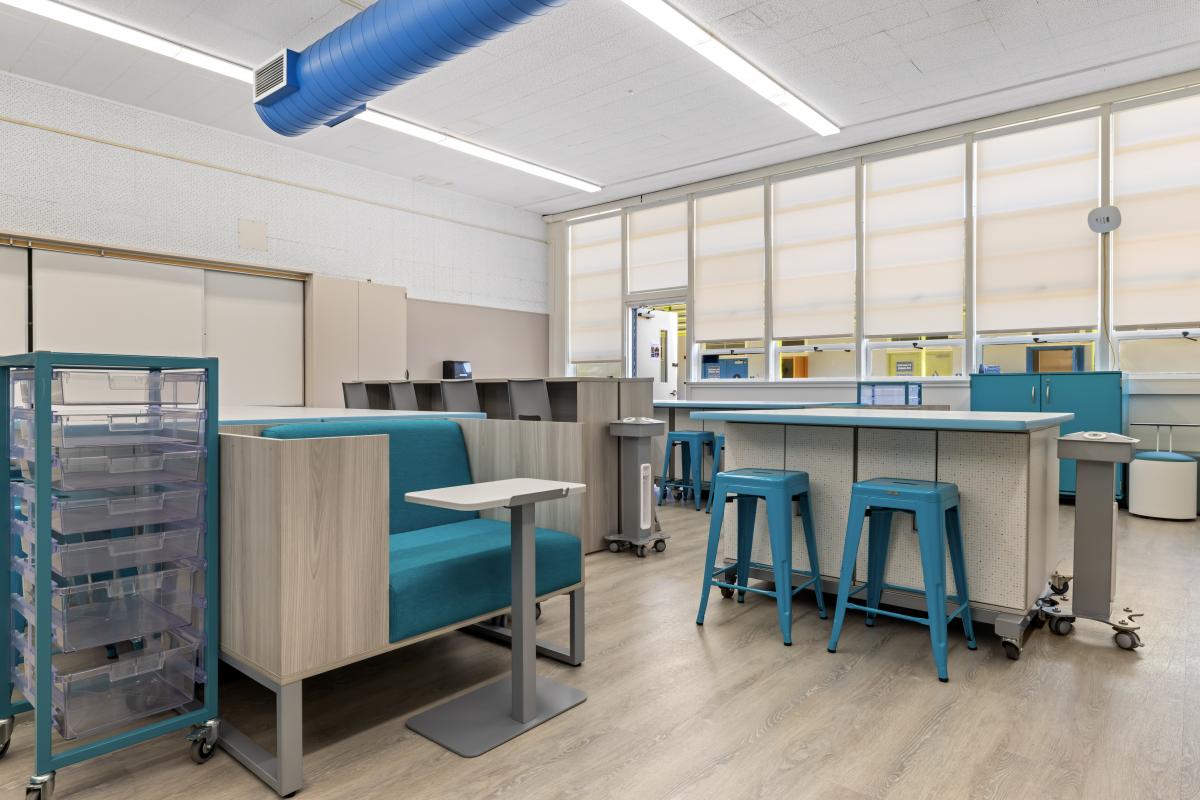
One of the advantages of flexible learning spaces is that they can easily be adjusted to accommodate a wide range of group sizes, which allows for some degree of enrollment growth over time. What’s more, flexible learning spaces can support many different types of learners. Students learn best in different ways, and flexible classrooms give students more choice and agency over their learning, leading to more inclusive learning environments for everyone.
It Encourages More Active Engagement in Learning
Flexible learning spaces also encourage student engagement. In one study involving nine secondary schools in Australia, researchers observed students learning in both traditionally designed classrooms and flexible learning environments. They found that students in the flexible learning spaces spent more time collaborating and interacting with their peers and actively engaged in their learning than the students in traditional classrooms.
These students also spent less time involved in whole class instruction led by the teacher, and they were off-task less frequently than the students in traditional classrooms. As the researchers noted: “This may translate into beneficial learning outcomes in the long term.”
It’s More Cost-Effective in the Long Run
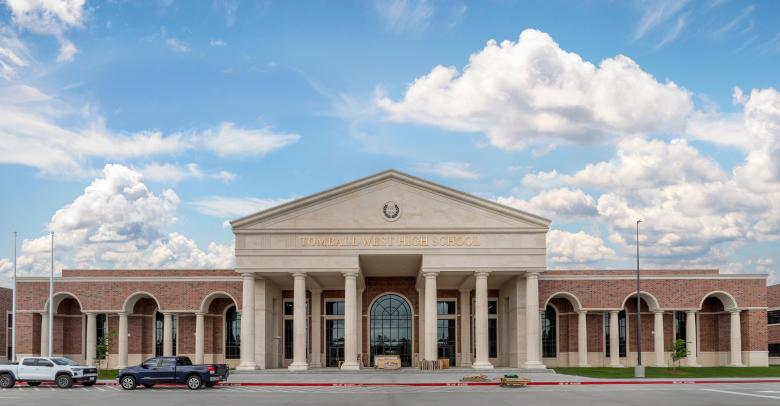
School districts can save a significant amount of money by designing flexible, adaptable, and multiuse spaces. Designing flexible learning environments that can adapt to serve many purposes and teaching methodologies, both now and in the future, extends the life of a school building and reduces the need for new construction or renovation.
Average school construction costs in the United States now range from $385 to $525 for elementary schools, from $425 to $575 for middle schools, and from $465 to $675 for high schools per square foot, depending on location. Even small projects can cost communities tens of millions of dollars—and so extending the life of school facilities by designing highly flexible learning environments makes smart financial sense.
How to Design with Flexibility in Mind
How can K-12 leaders and facilities planners design highly flexible and adaptable learning spaces? Here are five key strategies:
Start with Large, Open Spaces and Fewer Interior Walls
When designing new school facilities, flexibility is best achieved by creating large, open spaces that are easy to modify for different purposes. This means limiting the use of interior walls and instead using other ways to define interior spaces, such as sliding or retractable walls, partitions, panel systems, acoustic dividers, or movable furniture.
Use Movable, Modular, and Height-adjustable Furniture
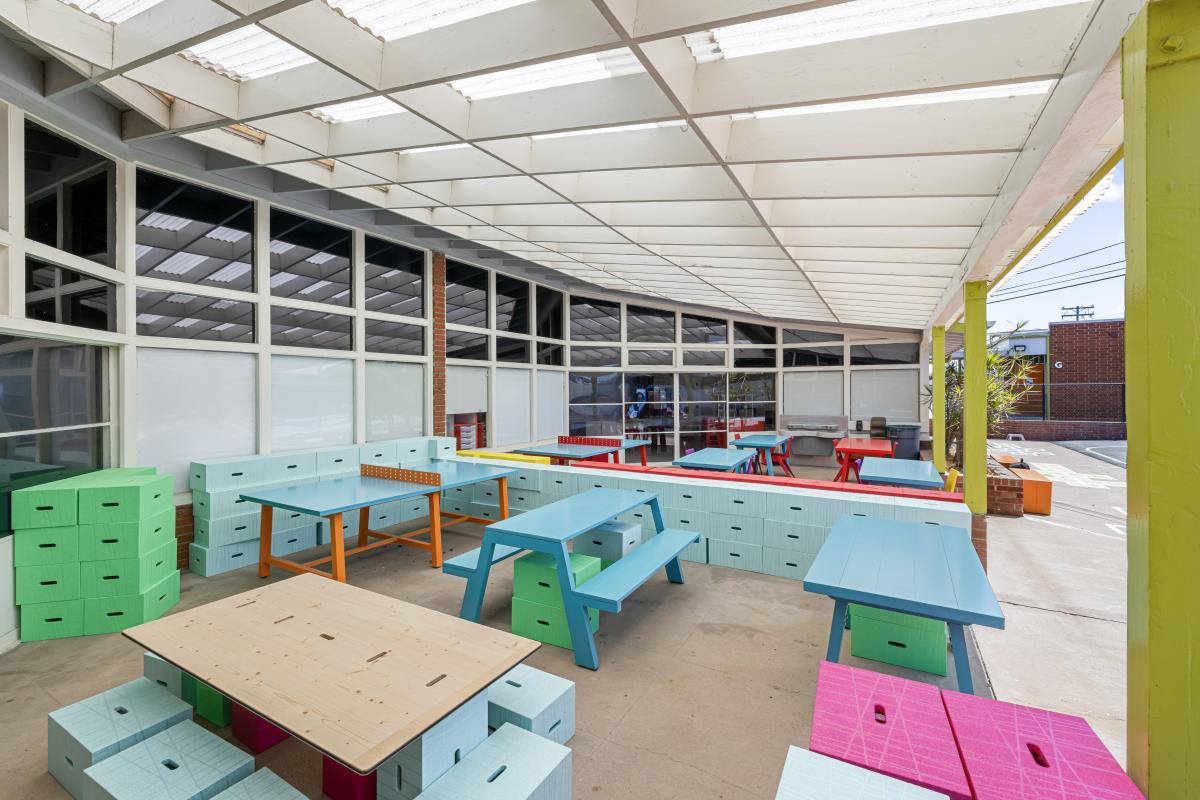
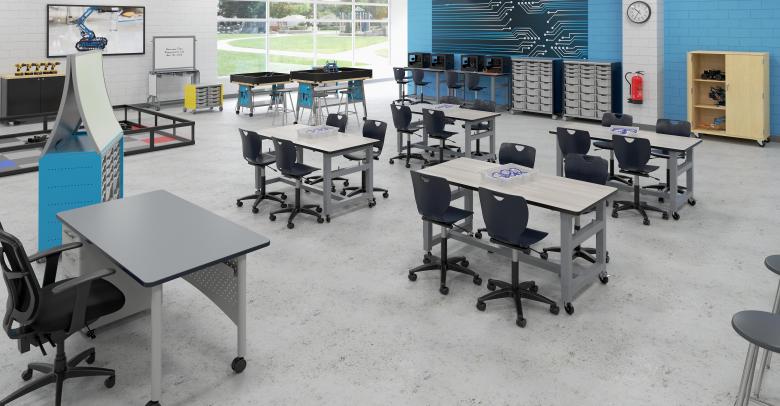
Tables, desks, and chairs with built-in locking casters, or furniture that’s designed to slide on any surface, can be moved around easily to create various room configurations—and modular furnishings can be rearranged quickly to support different group sizes or activities.
In addition, height-adjustable furniture, which can easily be raised or lowered to the optimum height students need to be comfortable and productive, allows learning spaces to be used by students of various ages.

Choose Solutions with More Than One Use or Purpose
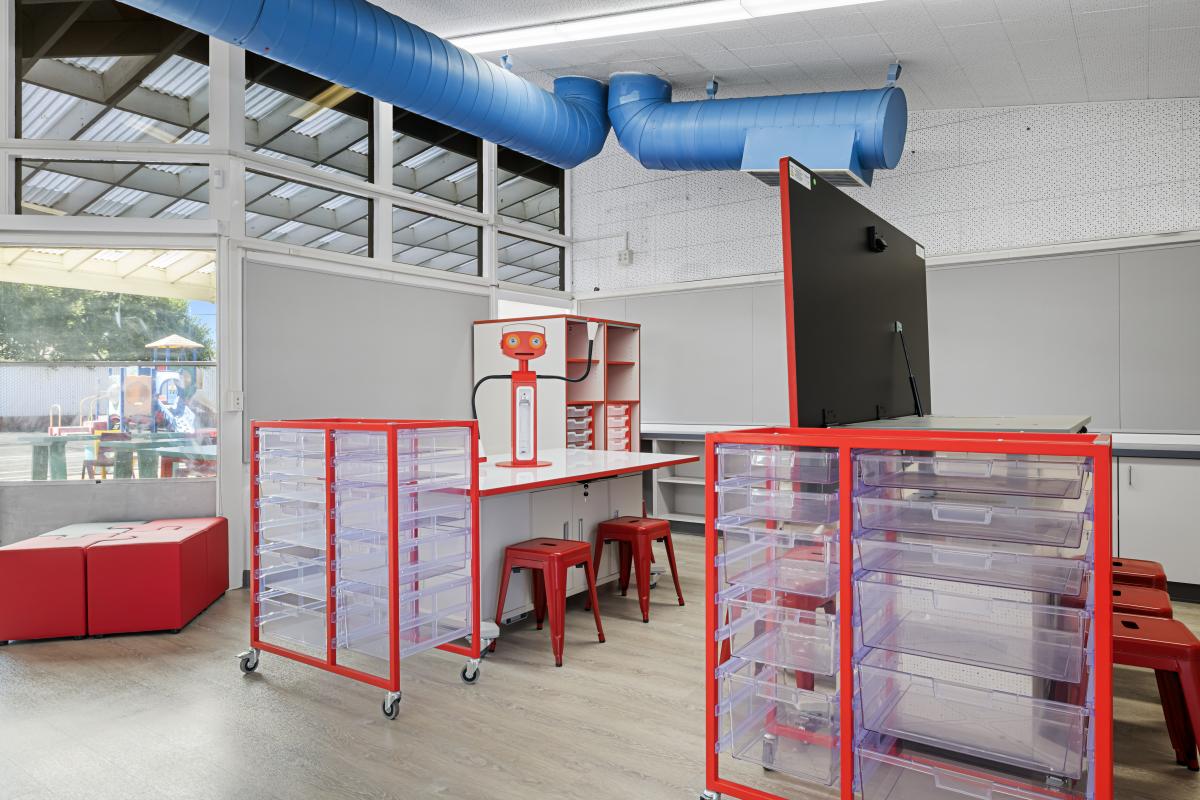
Multipurpose furnishings and equipment—such as desks and tables with built-in storage, or shelving that can double as a room divider—support the creation of flexible learning environments. Entire spaces can be designed with multiple purposes in mind as well. For instance, can a cafeteria double as an auditorium when lunch isn’t being served? Might a foyer or lobby area also serve as a learning commons?
Opt for Portability Over Fixed. Wall-mounted, Solutions for Storage and Presentation
Fixed storage and shelving units limit how teachers and students can utilize classroom spaces and can hinder flow and movement. In contrast, choosing modular and movable storage units lets educators keep classrooms well organized while maximizing flexibility.
Mobile markerboards, interactive screens, and other portable visual aids also allow for greater flexibility than mounting these items permanently on classroom walls. Portable presentation solutions allow educators to bring information directly to where students are—and they can even transform hallways and common areas into dynamic learning spaces instantly.

Provide Sufficient Technology Infrastructure
To support flexible learning environments in today’s digital age, K-12 leaders must consider how to deliver power to students and teachers wherever they might need it.
One emerging trend is to run wiring and cabling under a shallow, raised floor instead of within walls. This creates more long-term flexibility, allowing school leaders to change the distribution of data and power to accommodate new technologies more easily.
Designers can also embed electrical outlets within tabletop surfaces, seating, and other furnishings—or use mobile power strips or outlets to bring power wherever it’s needed instantly.
Versatility is Key
As the nature of learning changes, school spaces must be able to adapt in turn. To meet rapidly evolving workplace needs, the learning environments of today must be highly flexible and versatile, able to be transformed quickly and effortlessly to suit a wide variety of needs and purposes.
By designing with flexibility in mind, K-12 leaders can future-proof their learning environments and make sure they meet instructional and pedagogical needs for many years to come.

Dr. Sue Ann Highland
Sue Ann Highland, PhD, is the National Education Strategist for School Specialty. She has more than 25 years of experience as an educator, administrator, and consultant with school systems across the United States, with broad expertise in designing and creating highly effective learning environments.
Read more by Dr. Sue Ann Highland–>
Leave a Reply