

Across the country, school districts are expanding their early childhood learning programs to meet the growing demand for pre-kindergarten and early learning services. At the same time, district leaders must navigate space constraints, escalating construction costs, fluctuating enrollment, and other challenges that make expansion of early learning programs difficult.
With these pressures in mind, simply adding more classrooms isn’t always feasible. District leaders must think strategically about how they can design early learning environments to support growth, flexibility, and long-term capacity.
Table of contents
Early Childhood Learning Expansion Brings New Space Challenges
There is a strong research base showing that high-quality early childhood learning programs can improve children’s chances of succeeding in school. For instance, a major meta-analysis looked at five decades’ worth of studies and concluded that preschool participation was associated with less frequent special-education placement and grade retention and higher rates of high school graduation.
With results like this, a growing number of states and school systems are expanding access to early learning programs. According to the State of Preschool reports from the National Institute for Early Education Research (NIEER), state-funded preschool enrollment has reached a record 1.8 million children nationwide, while state investment has climbed to a record $14.4 billion. Several large states are moving toward providing “preschool for all”; during the 2024-25 school year, California, Colorado, Michigan, Minnesota, and Missouri collectively added more than 52,000 new pre-K seats.
The expansion of early childhood learning brings important space considerations for school district leaders. Finding spaces for new early learning programs can be difficult within already crowded buildings. At the same time, new construction costs are skyrocketing: Average school construction costs in the United States now range from $385 to $525 for facilities aimed at young learners, depending on location.
Without highly intentional planning, expanding early learning programs can put a significant strain on school district operations.
Three Alternatives to Building New Facilities
How can district leaders expand children’s access to early learning programs while keeping costs at a minimum? Here are three ideas to explore:
Repurpose Existing Spaces
Converting traditional classrooms or repurposing underutilized spaces is one common strategy. Although early learning environments require a different approach to design, layout, and furnishings than upper-grade classrooms, converting existing spaces may be more cost-effective than building new spaces from scratch.
Leverage Outdoor Learning Spaces
Many school systems are using outdoor learning environments to expand their early learning capacity while supporting wellness, play-based learning, and whole-child development. Leveraging outdoor spaces allows districts to use their full campus as a learning environment—and when designed intentionally, outdoor classrooms can function as true instructional spaces.
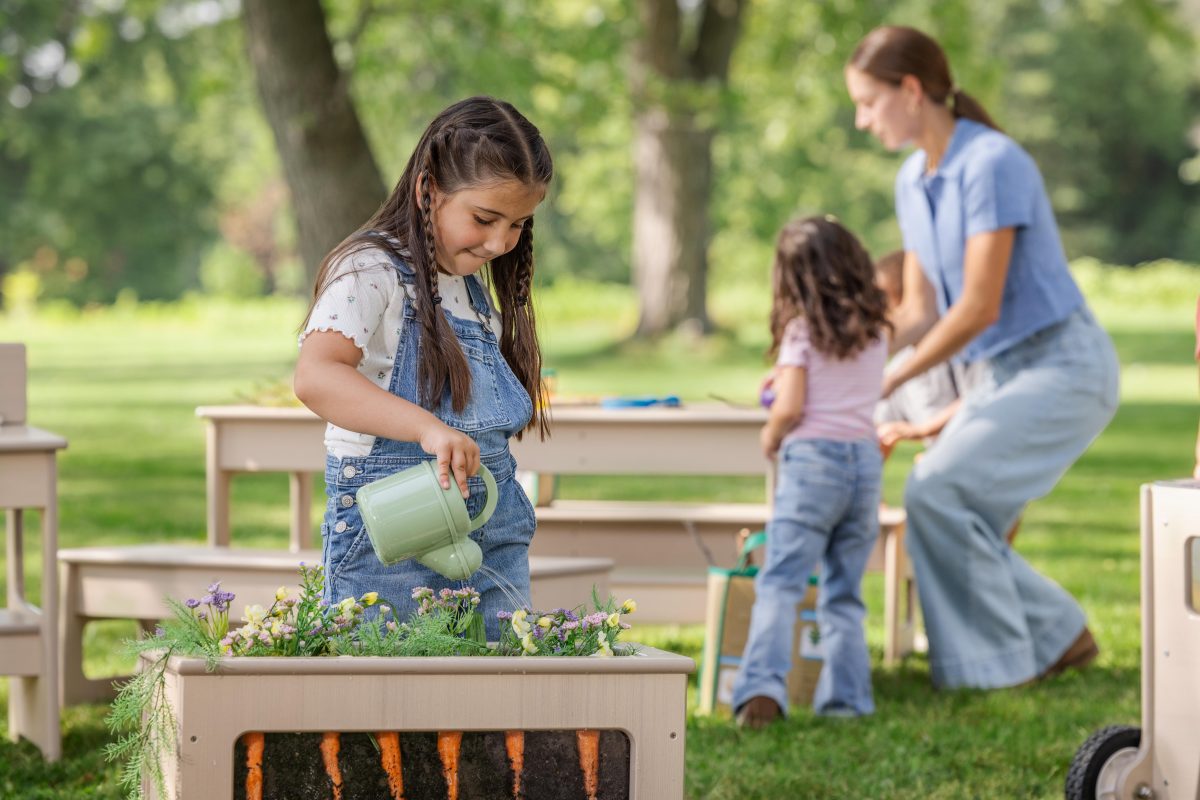
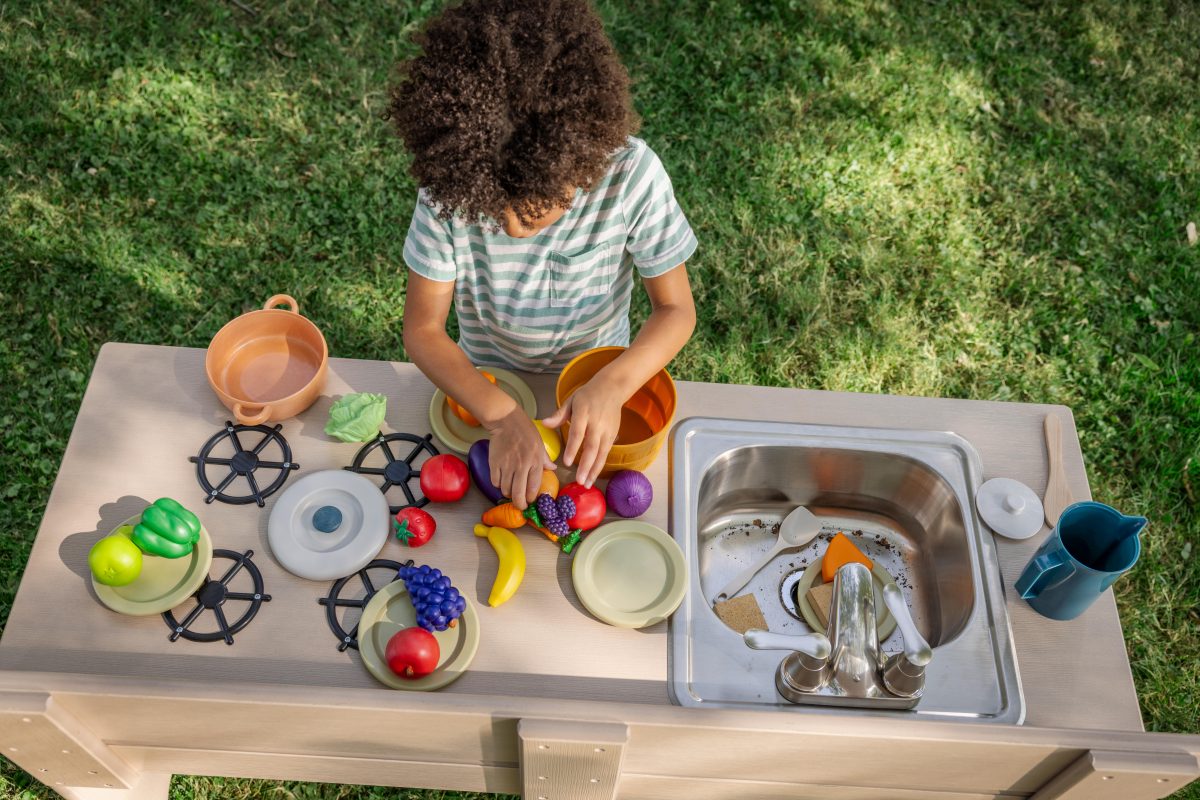
Outdoor learning environments is one strategy for expanding access to early learning programs.
Consider Phased Expansion
Not all districts can add multiple new early childhood classrooms at once. Phased expansion allows districts to grow their early learning programs over time while managing budgets and facility constraints. Intentional furniture and space planning supports phased growth by allowing rooms to serve multiple purposes initially and allowing for future reconfiguration as enrollment grows.
Keys to Success
As districts add early learning offerings, many find that existing facilities were not designed with young learners in mind. By planning for possible use by young children from the very beginning, K-12 leaders can avoid redesigning spaces each time early learning programs expand.
Early childhood learning environments require a different approach to layout, furniture, and movement or circulation than upper-grade classrooms. Leaders must carefully consider elements such as visibility, storage requirements, and age-appropriate design.
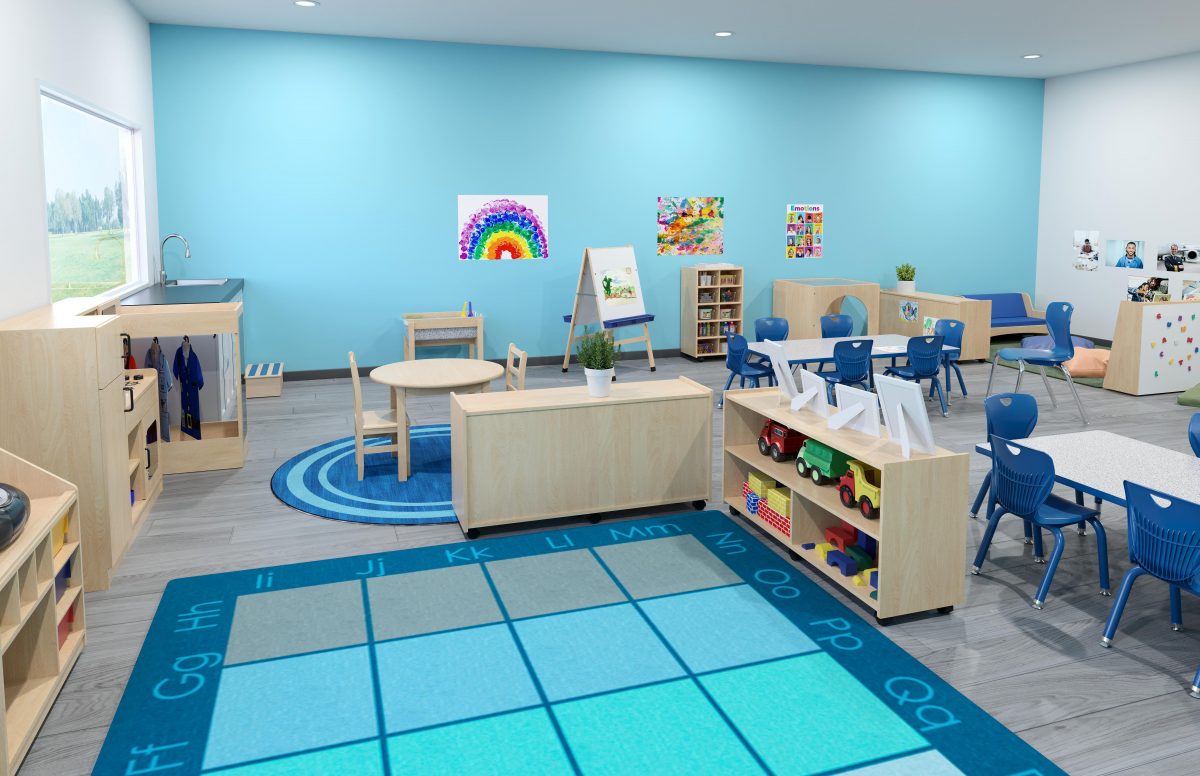
For instance, prekindergarten classrooms are typically created with a variety of learning centers, so there needs to be enough space to accommodate multiple learning centers or stations within classrooms. Teachers also must be able to see students from anywhere in the room, so using low shelving in spaces like media centers or common areas removes blind spots and allows these spaces to be used by learners of all ages.
Designing learning spaces with these needs in mind from the outset allows districts to expand their early learning programs easily without compromising on quality or compliance.
Three Important Strategies for Success:
Choose Flexible Furniture
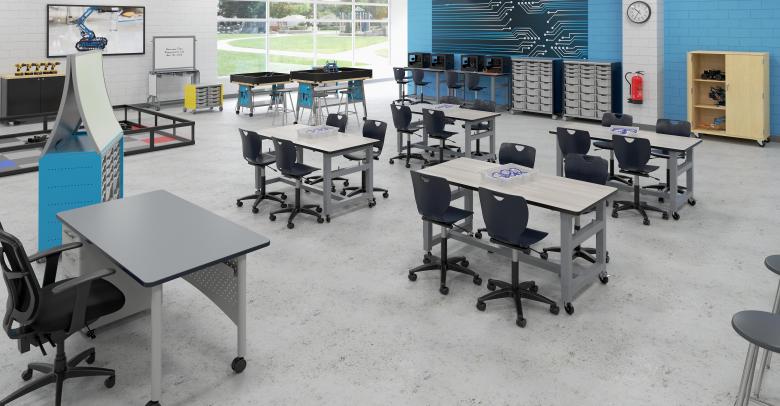
Furniture and room layouts that can be reconfigured quickly and easily allows school systems to repurpose existing spaces to accommodate young learners without much hassle or expense. For instance, height-adjustable tables and chairs can easily support learners of all ages—and short mobile storage units can easily be arranged to create the necessary learning areas within an early childhood classroom while maintaining visibility.
Flexible tables, chairs, and storage support small-group learning today and make the room easier to reconfigure as programs and enrollment change.
Invest in Durability
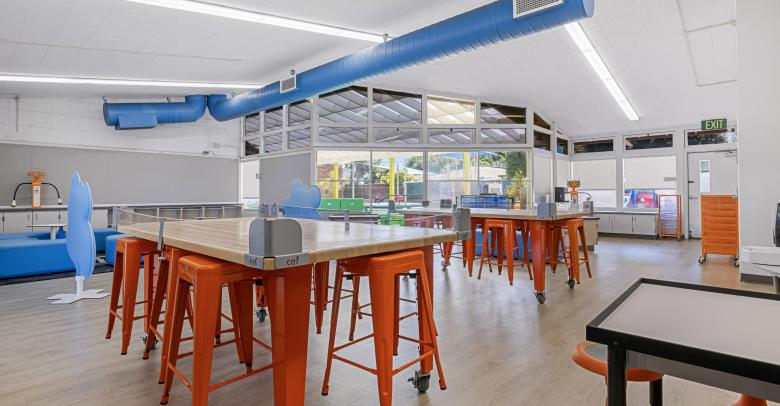
Early learning environments require durable furniture and materials. Height-adjustable tables and stools that are easy to clean and can withstand frequent use are more appropriate for learners of all ages and can safely be shifted from older grade levels to early learning environments without having to worry about breakage.
Plan Spaces with Safety, Movement, and Supervision in Mind
In order to be used by both younger and older children alike, learning spaces must include clear sightlines for staff, room for students to move around safely, and secure storage for supplies and materials. They must also be designed with the safety of young learners in mind, with furniture that uses elements such as rounded corners and pinch-proof hinges. Districts that plan and design their learning spaces with these needs in mind are well positioned to repurpose existing spaces to accommodate early learners.
A Strategic Approach to Early Learning Capacity
Districts that anticipate future growth in early learning programs benefit from this forward-looking approach, which allows them to respond quickly to new funding opportunities, changing demographics, or community demand. Identifying potential conversion spaces and choosing flexible furniture systems makes this growth much easier to implement.
Expansion of early childhood learning programs isn’t just a facilities challenge. It’s a strategic opportunity to build scalable, adaptable environments that support learners of all ages. By investing in flexible, convertible, and outdoor learning environments, districts can expand capacity, improve utilization, and create high-quality learning spaces that grow alongside their early learning programs.
To learn how School Specialty can help you plan for and scale up your early learning programs, contact us today at 888.388.6344 or visit SchoolSpecialty.com for more information.

Jennifer Fernandez
Jennifer has over 30 years of experience in education. She has degrees in Elementary Education, Spanish, and Bilingual Education and holds teaching licenses in Texas and Minnesota. She has taught PreK-2nd grade in general and bilingual settings, served as a professional learning specialist for seven years, and currently presents at state and national conferences.
Read more by Jennifer Fernandez–>
Leave a Reply