

For years, the K–12 success conversation has centered heavily on college readiness. But today’s workforce realities are forcing a broader conversation; one that includes career readiness as an equally critical measure of student success. Across the country, employers are struggling to fill skilled positions in healthcare, manufacturing, construction, information technology, and public safety. At the same time, many students are graduating unsure of their next step, disillusioned by the misconception that a traditional four-year college path is their only option.
Career and Technical Education (CTE) is increasingly becoming the bridge between these two challenges. For district leaders, CTE is no longer just an elective program. It is now a strategic lever for improving student outcomes, supporting economic development, and building stronger community partnerships.
The Workforce Gap Is Growing and Schools Are Feeling Pressure
The labor market is shifting rapidly. Industries that rely on technical skills are facing significant workforce shortages, while demand for credentialled workers continues to rise. According to the National Center for Education Statistics data, 85% of 2019 high school graduates completed at least one CTE course. That level of participation reflects a significant shift in how schools and families view postsecondary preparation. The Perkins Collaborative Resource Network reports that more than 3.8 million students were secondary CTE concentrators nationwide in 2023–2024.
This growth signals something important: career readiness is no longer a secondary pathway; it’s becoming central to student success planning. For district leaders, this calls for a rethink of how schools prepare students for life after graduation.
CTE Is Delivering Measurable Student Outcomes
One of the strongest arguments for investing in CTE is the measurable impact on student achievement. According to the Association for Career and Technical Education (ACTE), the average graduation rate for CTE concentrators is 97%, significantly higher than the national average.
Why does it work?
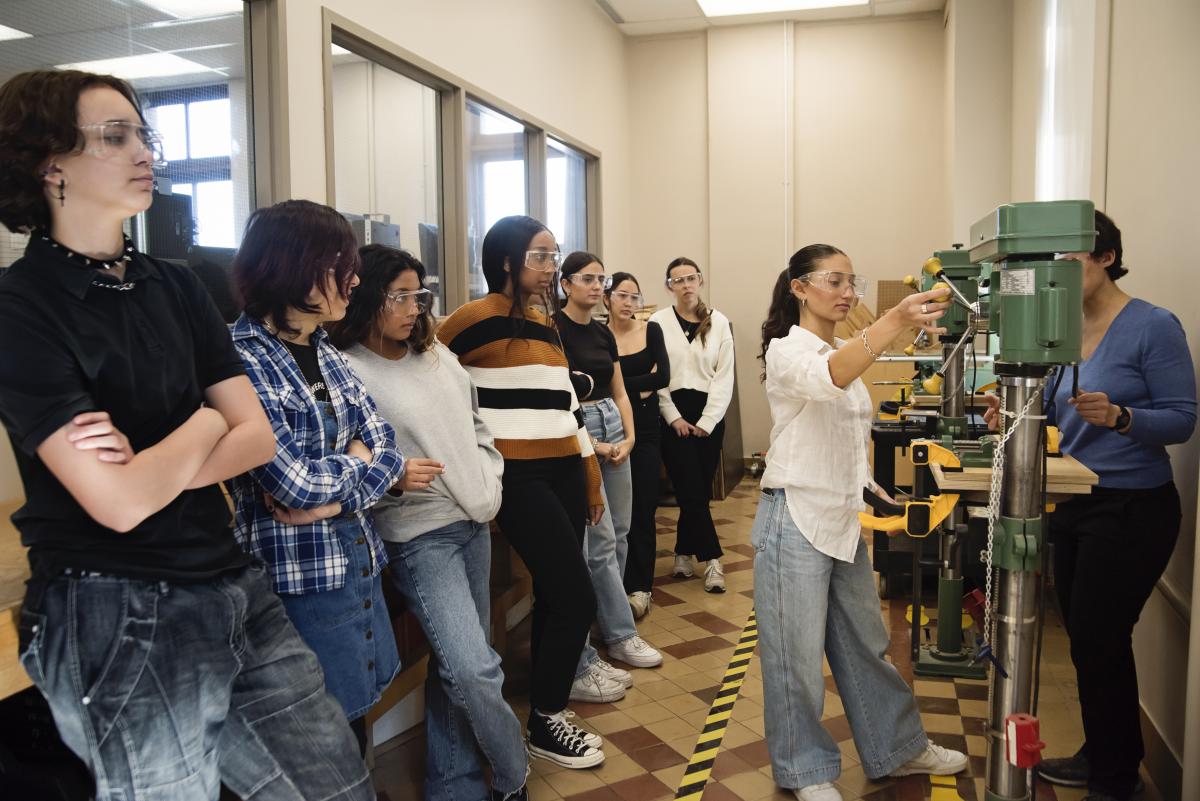
CTE connects classroom learning to real-world applications. Students can immediately see the relevance of what they’re learning, whether they’re building prototypes in engineering, practicing patient care in health sciences, or earning certifications in information technology. Research consistently shows that CTE participants often demonstrate higher attendance rates, increased engagement in school, stronger transitions into workforce training or postsecondary education, and a greater likelihood of earning industry credentials.
The federal Advance CTE State Profiles also show strong placement and credential attainment outcomes across states. For administrators focused on graduation metrics and student engagement, those outcomes matter.
Aligning Education with Local Industry Needs
Strong CTE programs create a direct pipeline between schools and the regional workforce, and CTE becomes especially valuable for district-level planning. Instead of building programs based solely on student interest, many districts are now using labor market data to align pathways with local employer needs. That might include welding and advanced manufacturing in industrial regions, healthcare pathways in areas with high nursing shortages, construction trades in fast-growing communities, and IT and cybersecurity in technology-focused markets.
Organizations like Advance CTE encourage states and districts to use labor market intelligence to shape programming, helping ensure that educational investments align with economic realities. For school boards and superintendents, this creates a compelling narrative: schools are not just educating students; they’re strengthening the local economy.
CTE Supports More Than Trades
One persistent misconception is that CTE is only about traditional vocational trades. Today’s CTE pathways also span a wide range of high-demand industries, including:
- Biomedical sciences
- Robotics and engineering
- Digital media production
- Computer science
- Culinary arts
- Business and entrepreneurship
- Education careers
- Public safety
According to NCES data, Health Science remains one of the fastest-growing CTE concentrations at both the secondary and postsecondary levels. This is significant because it reframes CTE as a future-focused educational strategy rather than a fallback option. For district leaders, broadening this perception can increase enrollment, improve equity, and attract community support.

Building Stronger Community Partnerships
High-quality CTE programs often rely on strong partnerships with local businesses, technical colleges, and workforce development agencies. These partnerships can provide internship opportunities, apprenticeships, job shadowing experiences, equipment donations, advisory board input, and dual-credit opportunities.
When schools collaborate directly with employers, students gain authentic career exposure while districts strengthen their relevance in the community. This kind of ecosystem also supports another growing priority: work-based learning. Under Perkins V accountability measures, work-based learning has become an increasingly important indicator of program quality. This makes partnerships more than a “nice-to-have”; they’re increasingly essential for program quality and funding.
What District Leaders Should Consider Next
For districts looking to expand or strengthen CTE, a few strategic questions can guide planning:
Are current pathways aligned with regional labor demand?
Do facilities support modern hands-on learning?
Are students aware of all available career pathways?
Are equity gaps present in enrollment?
Do business partnerships exist—or need to be developed?
Is the district maximizing available Perkins funding?
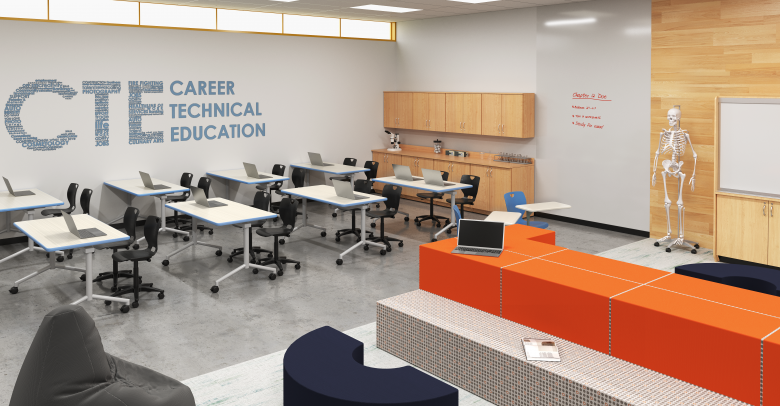
CTE success depends on more than curriculum. It requires thoughtful planning, flexible learning environments, and access to industry-relevant tools and resources. That’s where operational decisions from classroom design to storage, safety, and equipment access can significantly impact program effectiveness.
Preparing Students for the Future Starts Now
The future of education is not college or career; it’s college and career. District leaders who embrace CTE as part of a comprehensive student success strategy are better positioned to improve outcomes, meet workforce demands, and serve their communities more effectively. As workforce needs continue to evolve, schools have an opportunity to become more responsive, more innovative, and more connected to the world students will enter after graduation. CTE is one of the clearest paths to making that happen.



Leave a Reply