
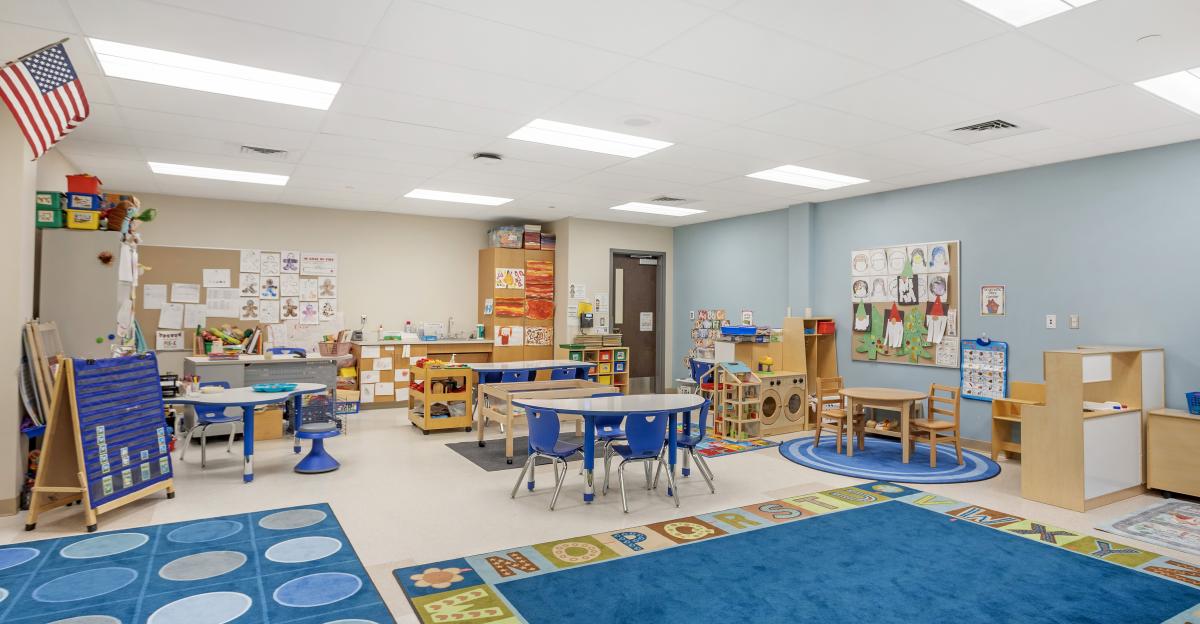
Before principals can transform outcomes, they have to take a thoughtful look at the environments where learning actually happens. Classrooms are often inherited, pieced together over time, and shaped more by past decisions than present needs. Yet the physical space of a school is never neutral—it either supports instruction or works against it.
Table of contents
This blog series, The Principal’s Guide to Building Classrooms That Work Today, is designed to support new school leaders in making intentional, informed decisions about learning environments. Across each installment, we’ll explore how to align space with instructional vision, balance flexibility with function, plan for future needs, and create environments that actively support teaching and learning. Grounded in both strategy and collaboration with district partners, the goal is to help principals make thoughtful, sustainable choices that reflect how students learn today.
We begin with one of the most important shifts: starting with purpose instead of products.
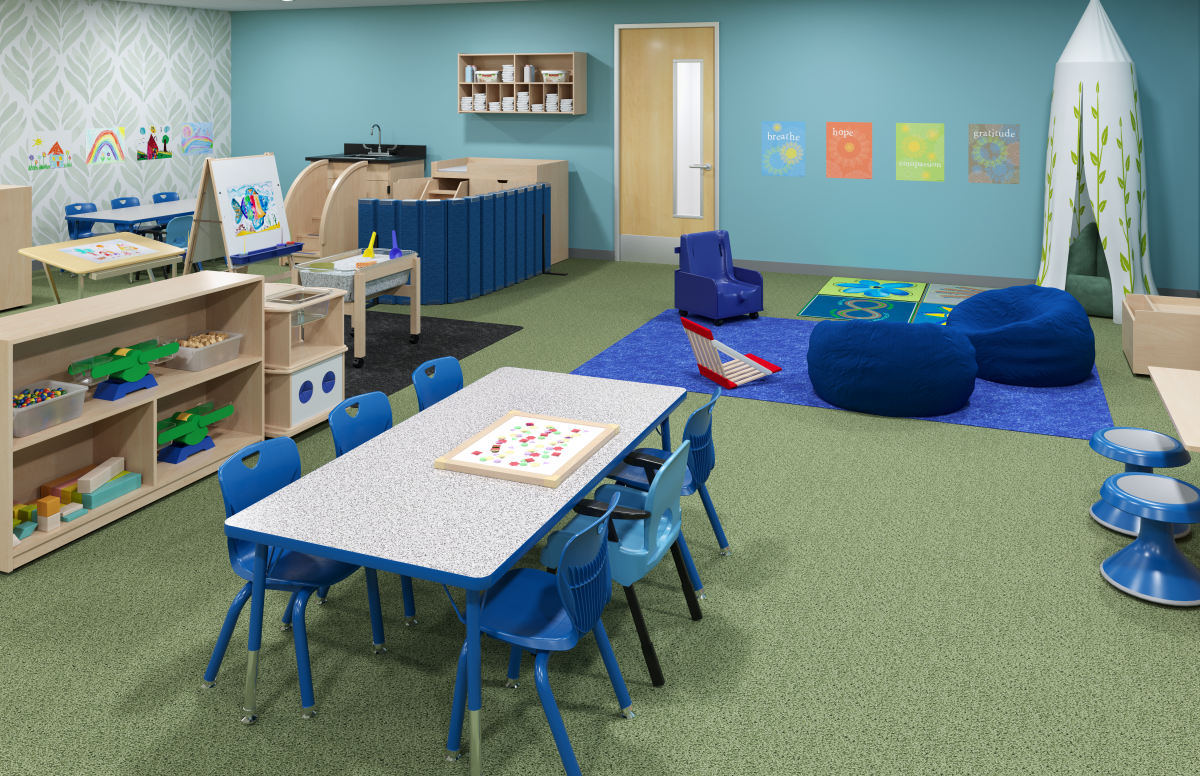
Start With Purpose, Not Products: Designing Classrooms That Work
School leaders regularly make decisions about classroom environments incrementally over time, often within broader district priorities and resource constraints. For many early-career principals, inheriting buildings with mismatched furniture, aging materials, and outdated layouts can feel overwhelming, creating pressure to modernize spaces quickly. But without a clear instructional vision guiding those decisions, it becomes easy for classroom upgrades to focus more on appearance, speed, or immediate needs than on long-term instructional impact.
Strong learning environments are shaped by purpose. When space is approached as a tool for supporting student success, decisions about layout, furniture, and flexibility become more strategic and aligned with daily teaching and learning.
1. The Hidden Cost of Skipping Planning
The most expensive furniture a school can buy is the kind that goes unused. When the planning phase is rushed or bypassed, schools often end up with solutions that fail to account for the specific needs of different subject areas or student populations.
The risks of skipping a deep planning phase include:
- Static Environments: Purchasing heavy, immobile furniture that prevents teachers from shifting between different instructional needs
- Functionality Mismatches: Investing in products that look modern but don’t support the actual pedagogical goals of the teacher
- The “One-Size-Fits-None” Approach: Too Full to Function
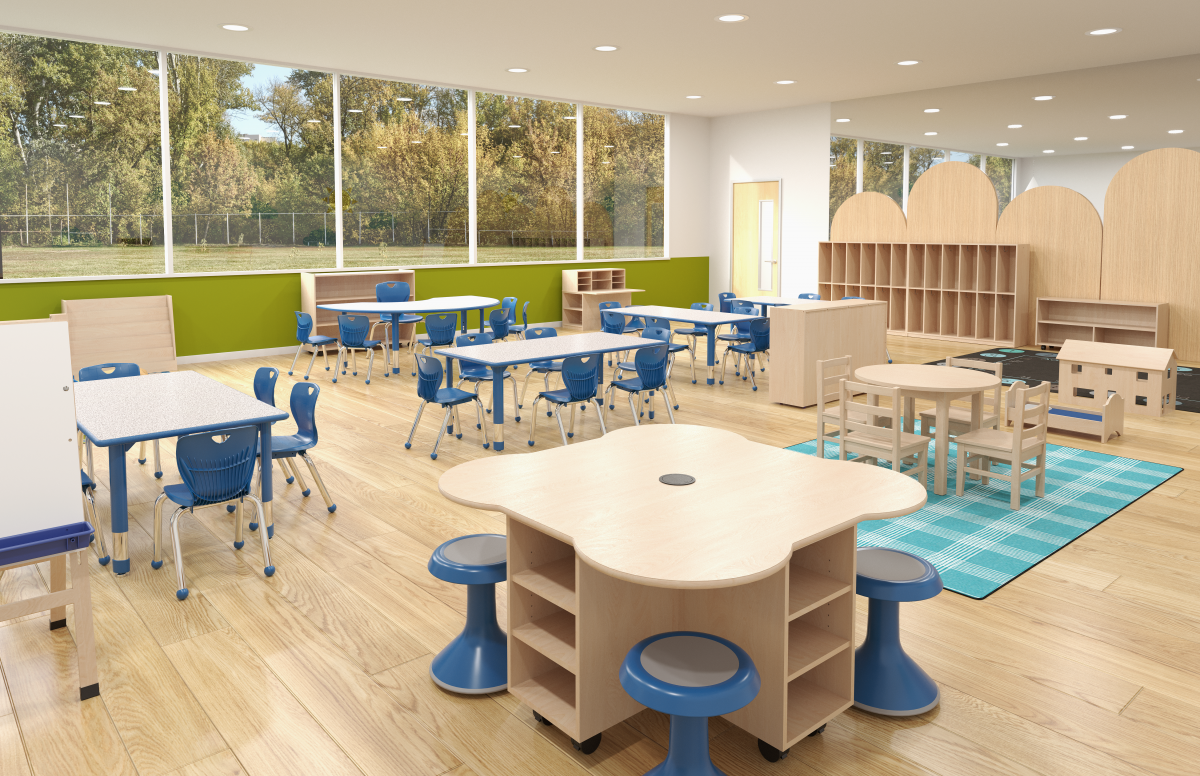
2. Define What Learning Looks Like, Sounds Like, and Feels Like in Your School
A classroom that’s learning isn’t necessarily the quietest or the most color-coordinated; it is an environment where the design facilitates the desired student outcomes. Principals should look for classrooms where the environment can act as the third teacher. When a room is designed with intention, it should feel welcoming and purposeful. Is this a zone for independent reflection? A hub for collaborative engineering? A working classroom supports:
- Academic Goals: Engagement, mastery, and the ability for students to express their learning
- Social-Emotional Well-being: Creating a sense of safety, calm, and belonging
- Student Agency: Allowing students to interact with their environment by choosing their own types of seating or moving to a different zone
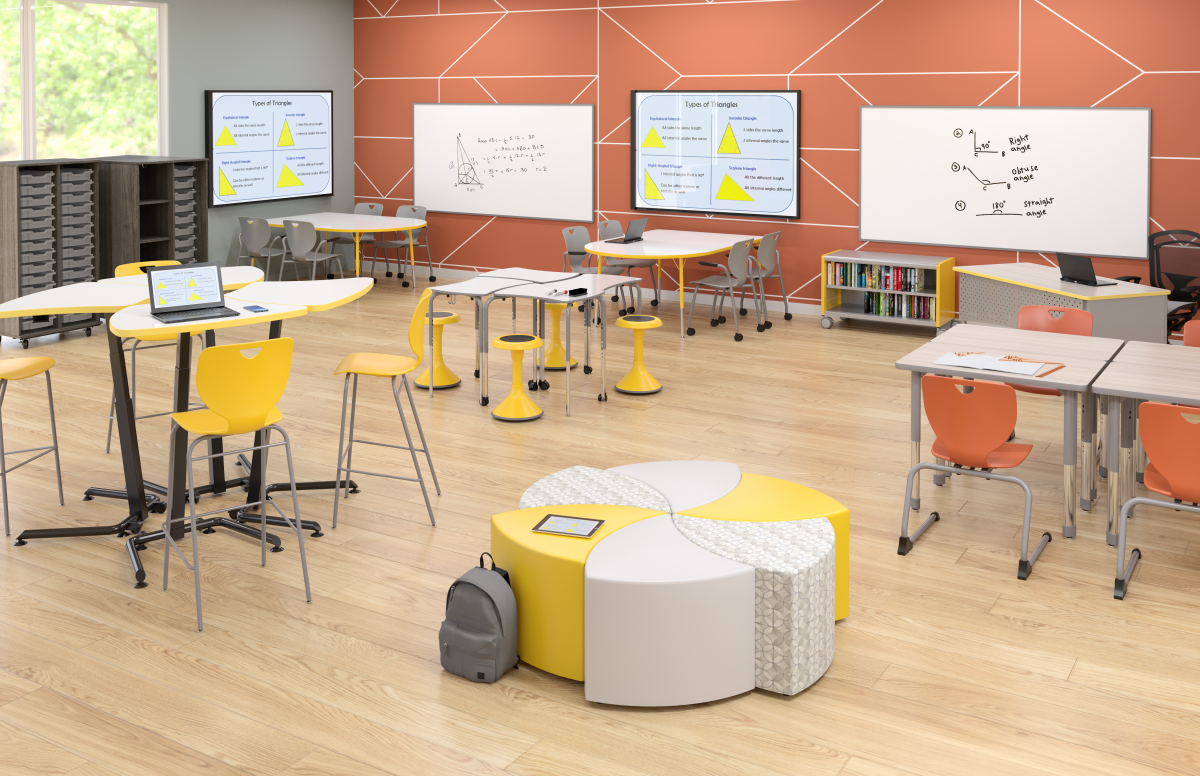
3. Map Instruction to Space
The physical layout should directly reflect the instructional goals. This requires a shift away from the traditional front-of-room focus toward a more flexible approach.
Learning Zones
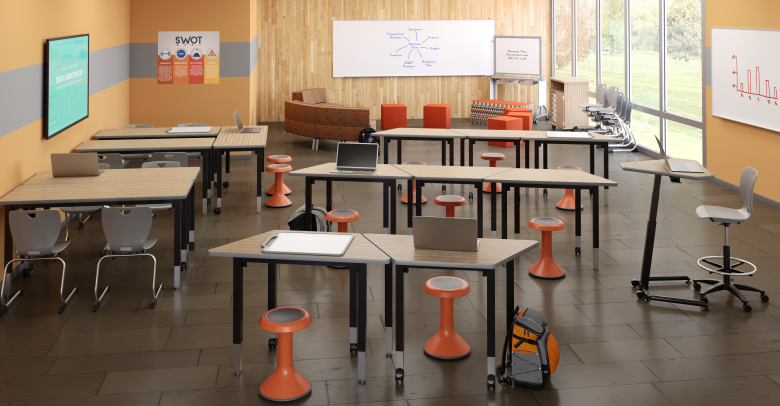
Effective classrooms should be flexible. Design should take into account the potential need for whole-group community areas (which might include a central rug for morning meetings), small-group stations (possibly areas with kidney tables for targeted intervention), and independent hubs (comfortable stations for writing, reading, or hands-on projects).
Teacher Movement and Visibility
Visibility is a safety requirement, but proximity is an instructional strategy. A desk-bound teacher is often a disconnected teacher. Classrooms should be designed to encourage teaching in the moment, engaging with students, and providing direction and encouragement. When teachers can move freely, they can offer immediate encouragement and direction, challenge student thinking in real-time, and proactively manage behavior through their presence.
4. Ask Before You Buy: 5 Planning Questions
Before signing off on a purchase order, principals should require their teams to answer five critical questions to ensure the investment translates into impact:
- What specific instructional need or learning will this furniture support?
- What behaviors do we want to encourage in this space (e.g., movement, collaboration, or focus)?
- How can students and teachers easily reconfigure this room on their own throughout the day?
- Is this product durable enough to withstand daily use while remaining flexible for future curriculum needs?
- What professional support or training will teachers need to utilize this new environment as an instructional tool?
5. When to Bring in Expertise
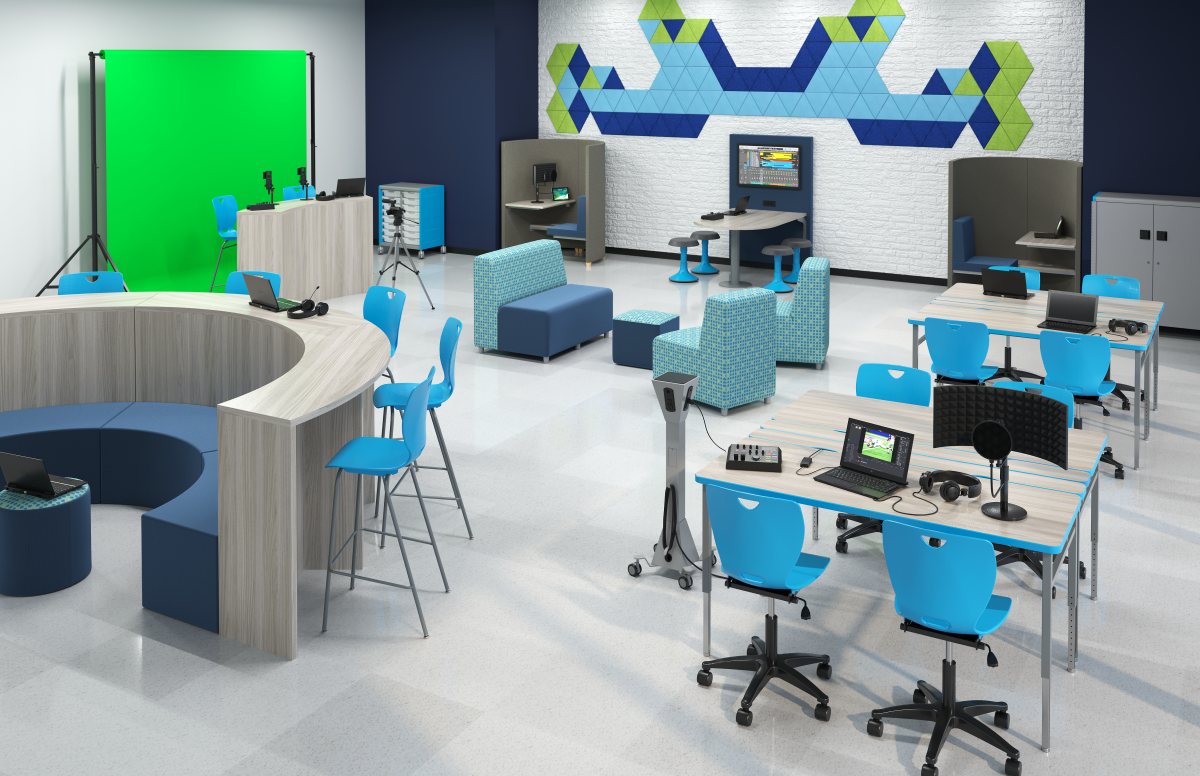
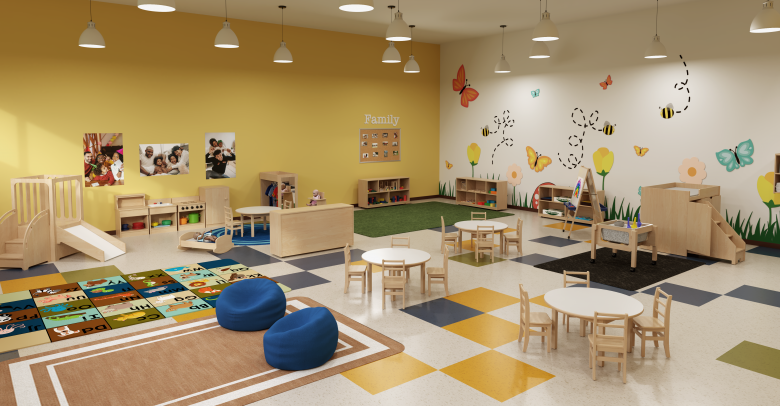
Bringing in outside expertise is particularly vital when designing any learning spaces, including Early Childhood centers, Special Education spaces, or Career and Technical Education (CTE) labs.
A true design partner serves as a bridge between the district’s vision and the reality of the classroom. They should offer boots on the ground experience and expertise, understanding the nuances of everything from chair heights to ADA compliance, learning styles, and safety. The goal of this partnership is to move beyond a sales transaction and toward a collaborative relationship built on trust, ensuring that every dollar spent is an investment in a student’s success and well-being.
Now that you have a handle on planning your space, read on to learn more about putting that plan into action.

Leave a Reply