

As schools continue to rethink how classrooms support instruction, one reality has become increasingly clear: students do not all learn, focus, process information, or regulate emotions in the same way. A classroom that works well for one learner may unintentionally create barriers for another.
Effective learning environments go beyond flexibility and aesthetics; they incorporate accessibility and responsiveness to help create spaces where all students can engage meaningfully in learning.
Table of contents
This installment of The Principal’s Guide to Building Classrooms That Work Today explores how sensory-responsive classroom design, grounded in Universal Design for Learning (UDL), can help schools better support diverse learners without requiring a complete renovation or expensive redesign. As part of our broader commitment to UDL, we recognize that inclusive, holistic learning environments support all students, and sensory design is one actionable part of that larger framework. Thoughtful adjustments to lighting, movement, layout, and student choice can significantly improve focus, behavior, participation, and well-being across the classroom.
Designing for Every Learner: A UDL Approach to Sensory-Smart Classrooms
Walk into a classroom where students are deeply engaged, and you’ll often notice something beyond the instruction itself. Some students may be standing while working. Others may be collaborating in small groups, sitting on soft seating, or using a quiet corner to regroup before rejoining the lesson. The environment feels active but purposeful.
That kind of classroom is rarely accidental.
The physical environment plays a powerful role in how students experience learning. Noise levels, lighting, movement opportunities, furniture arrangement, and visual organization all influence attention, emotional regulation, and a student’s ability to participate fully in instruction. For some learners, especially those experiencing sensory dysregulation, anxiety, attention challenges, or other learning differences, traditional classroom setups can unintentionally create obstacles that make learning harder than it needs to be.
Sensory-responsive design helps remove those barriers by creating environments that offer flexibility, support regulation, and allow students to engage in ways that work best for them.
Importantly, sensory-responsive classrooms are not separate spaces designed for only a small group of students. They are part of a broader approach that improves access and engagement for everyone.
What Is a Sensory-Responsive Classroom?
A sensory-responsive classroom recognizes that the senses influence how students process information, stay focused, and retain new learning. It intentionally considers how environmental factors such as sound, light, movement, texture, and spatial organization affect a student’s ability to learn.
This does not mean every classroom needs elaborate sensory rooms or specialized equipment. In many cases, small changes can have a meaningful impact.
Some students benefit from opportunities for movement while learning. Others may need access to quieter spaces that help them regulate emotions or reduce overstimulation. Some learners may focus better with softer lighting or reduced visual clutter. A sensory-responsive classroom provides options that allow students to access learning in different ways while maintaining structure and clear expectations.
This approach aligns closely with Universal Design for Learning, or UDL, which focuses on designing learning environments that are usable by all students to the greatest extent possible without requiring constant adaptation.
In classroom design, UDL often shows up through:
- Multiple means of engagement: helping students feel safe, motivated, and connected to learning
- Multiple means of representation: making information easier to perceive and process
- Multiple means of action and expression: allowing students different ways to participate, move, collaborate, and demonstrate understanding
Rather than expecting every learner to adapt to a rigid environment, UDL encourages schools to create environments flexible enough to support a wide range of learners from the start.
The Hidden Barriers in Traditional Classrooms
Many classroom environments still reflect older assumptions about what learning should look like: rows of identical desks, limited movement, bright fluorescent lighting, and an expectation that students remain seated and quiet for extended periods of time. But research and classroom experience increasingly show that learning is not always silent or still.
Traditional environments can unintentionally create barriers through:
Noise Overload
Busy classrooms can quickly become overwhelming for students who are sensitive to sound or struggle to filter distractions. Even productive classroom activity can create cognitive fatigue when acoustics are not considered.
Lack of Movement
Students are often expected to remain seated for long periods despite evidence that movement can improve attention, engagement, and self-regulation. Fixed desks and one-piece chair-and-desk combinations limit flexibility and student choice.
Visual Clutter
Walls filled with posters, bright colors, excessive decorations, or disorganized materials may feel stimulating to adults but distracting or dysregulating to students. A clean, organized environment often helps students feel calmer, safer, and more ready to learn.
Lighting Challenges
Lighting is one of the most overlooked classroom factors. Harsh fluorescent lighting can contribute to eye strain, fatigue, and overstimulation, yet many classrooms offer little flexibility in how lighting is used throughout the day.
In many cases, the challenge is not a lack of care or effort from teachers. It is simply that educators have not always been given training in how environmental design impacts learning.
Simple Shifts With Big Impact
One of the biggest misconceptions around sensory-responsive classrooms is that they require expensive renovations or full redesigns. In reality, many schools begin with manageable, low-lift adjustments that can significantly improve the learning environment.
Some of the most effective starting points include:
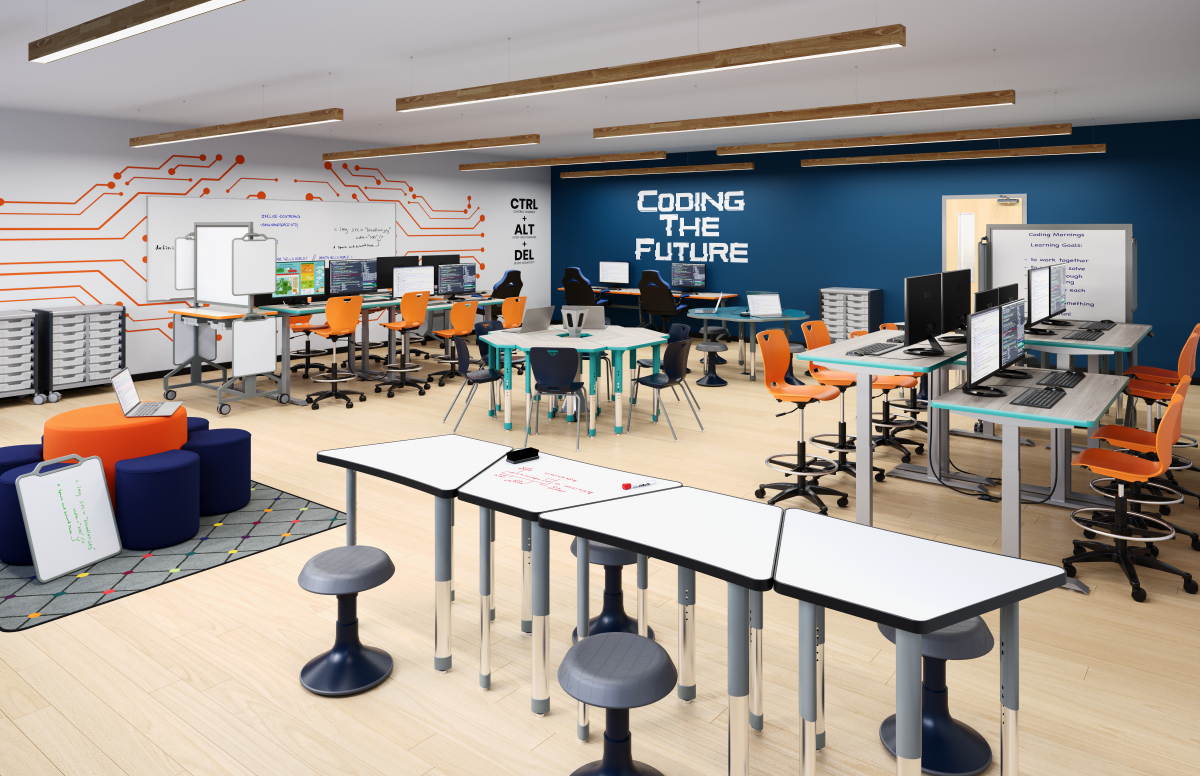
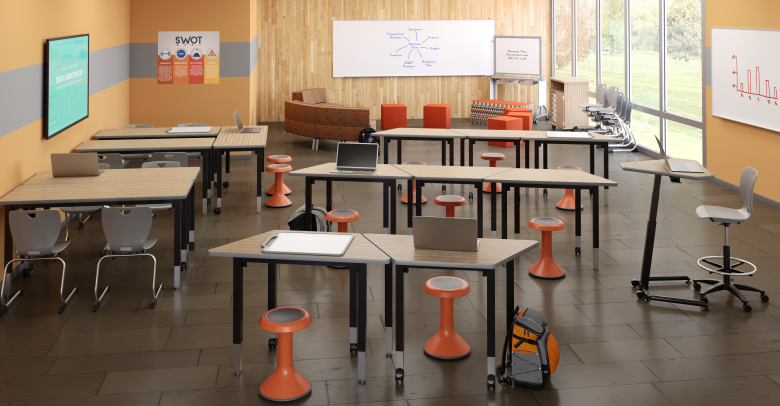
- Adding flexible seating options such as soft seating, bean bags, wobble stools, or standing desks
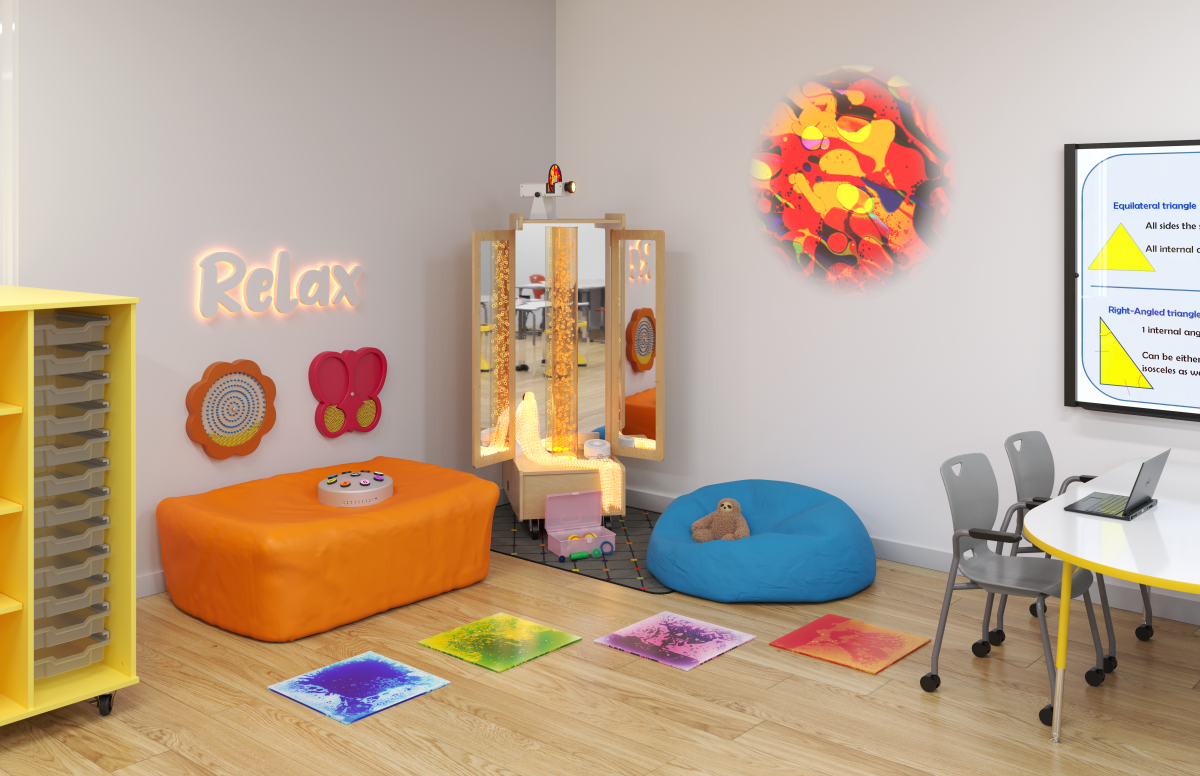
- Creating calming corners or reset spaces where students can regulate emotions before returning to instruction
- Reducing visual clutter and organizing materials more intentionally
- Using light covers or alternative lighting sources to soften harsh classroom lighting
- Incorporating mobile whiteboards or movable furniture to support collaboration and adaptability
These changes help create structured flexibility, where students can access support without disrupting instruction.
Even a small calming corner can make an immediate difference. Having a defined space where students can step away briefly, regroup, and return to learning helps normalize self-regulation as part of the classroom culture rather than treating it as a disciplinary issue.
Supporting Teachers Without Creating “One More Thing”
For principals, one of the biggest challenges is introducing new ideas without overwhelming teachers who are already balancing significant demands.
Sensory-responsive design works best when it is framed as support for the instructional goals teachers already have: improving engagement, reducing disruptions, and helping students succeed.
That means starting small and implementing changes in phases. Some schools begin by identifying a few classrooms interested in piloting flexible seating or calming spaces. Others use PTO funding, grants, or building-level resources to purchase small modifications before expanding more broadly. Occupational therapists, physical therapists, and special education teams can also provide valuable insight into how classroom environments can better support student needs.
Professional learning matters as well. Teachers benefit from understanding not just what changes to make, but why those changes matter and how they connect to student outcomes.
Importantly, principals should also listen closely to teacher experiences while balancing those perspectives with research-based practices. Many educators were never formally taught how classroom design impacts learning, making collaborative conversations especially important.
Building Toward Inclusive Environments
While individual classroom adjustments can make a meaningful impact, truly inclusive environments require a longer-term vision.
Effective classroom design starts with instructional goals first. Schools must consider how the environment supports collaboration, small-group learning, independent work, student movement, and emotional regulation as part of everyday instruction rather than as separate accommodations.
Long-term planning may involve phased furniture replacement, updated lighting strategies, redesigned learning commons, or more intentional sensory-support spaces throughout a building. It also requires district-level conversations about how physical environments contribute to student achievement, behavior, attendance, and wellbeing.
When schools get classroom design right, the results are often visible across the building: students are more engaged, teachers feel more supported in their work, and classrooms become spaces where learners feel safe, comfortable, and ready to participate.
For principals navigating these decisions, the goal is not perfection overnight. It is creating thoughtful, intentional environments that reduce barriers and expand opportunities for every learner.
As schools continue building more inclusive learning spaces, experienced partners can help districts prioritize improvements, phase in changes strategically, and align classroom environments with instructional goals. Providers such as School Specialty offer classroom furniture, sensory-support solutions, and learning environment expertise designed to help schools create flexible, student-centered spaces that support diverse learners over time.
Read the other posts in the series covering the importance of thorough planning and how to implement those plans when the time is right.

Leave a Reply