
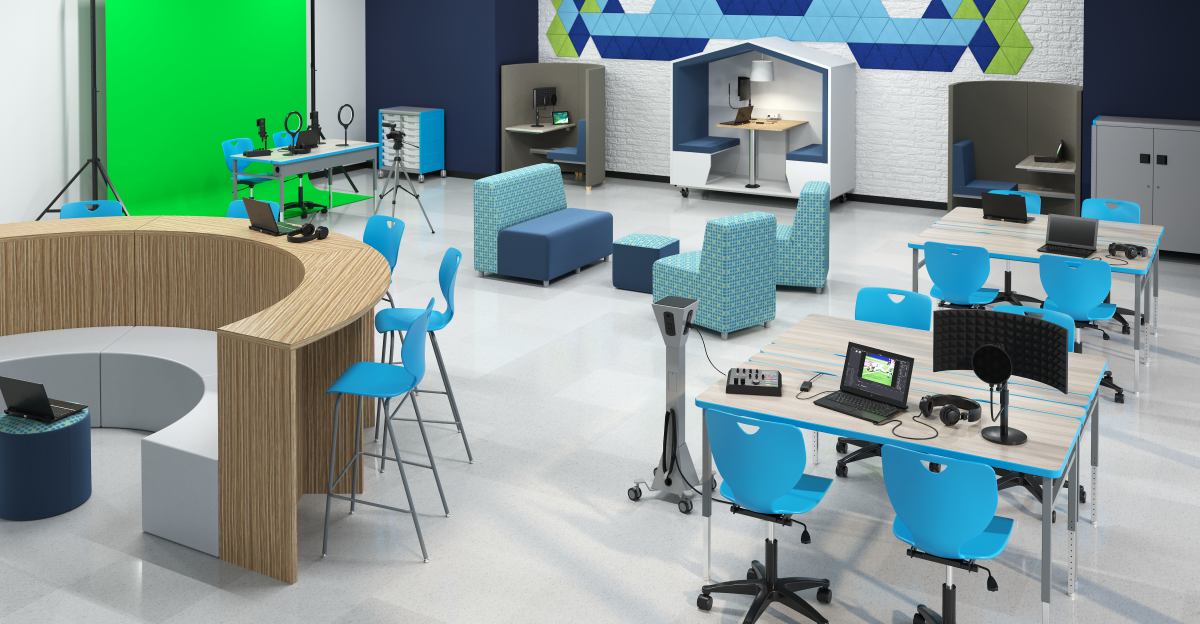
People usually associate career and technical education with training in highly technical subjects, often in STEM-related fields such as IT, engineering, and health care. However, more educational institutions are including the arts in their CTE curricula: CTE can help prepare students for a variety of future prospects in the arts and creative industries, as many jobs depend on creative talent.
Table of contents
For example, students can explore a variety of professional options at the Henry W. Longfellow Exploration Academy in Dallas, including standard CTE programs like engineering and business/IT. However, this magnet middle school provides pathways in visual and performing arts, AV technology, and the arts for students in grades 6-8. Students in the arts and AV tech program pick up skills, including graphic design and podcasting. In addition to learning creative skills like painting, theater, and dance, students in the visual and performing arts also study fields like set and costume design that blend artistic and technical abilities.
“There’s a dismissiveness about careers in the arts because it’s assumed that you have to be a starving artist, but that’s truly not the case,” Ashley Adams, executive director of Arts Media Entertainment Institute, tells K-12 Dive. “There are incredible jobs for students that use their creative skills, and it empowers them if you can teach them about those careers early on.”
Pathways in Arts, Entertainment, and Design
The National Career Clusters® Framework, a common framework and vocabulary for creating CTE programs nationwide, is maintained by Advance CTE, a national alliance of state CTE directors and allied professionals. In the most recent version of the framework. Advance CTE has included an Arts, Entertainment, and Design career cluster in recognition of the value of art education as a springboard to fulfilling careers. This action is long overdue. For far too long, the arts have been viewed as recreational or enrichment activities rather than what they actually are: effective tools for civic and community involvement, personal development, and job readiness.
The work that arts educators and students have been doing for a long time is legitimized when the arts are officially acknowledged with their own CTE pathway. This opens the door to significant assistance and long-term sustainability. Contrary to popular belief, there are many more professional options in the arts. In addition to becoming performers or educators, students can also pursue careers as sound designers, audio engineers, arts administrators, music therapists, film and video game composers, digital content producers, or entrepreneurs in the arts. Some even use their education in professions that require discipline, creativity, unconventional thinking, and critical listening, such as technology, medicine, or law.
Three Reasons to Consider Arts in CTE
Education in the arts has always been crucial. Students who are creatively inclined are engaged, their creativity is stimulated, and they develop an appreciation for the arts. Additionally, it helps students discover their position in the world and cultivate empathy for others by fostering their identity, expression, and voice. These are essential life and leadership skills in a global economy with a varied workforce.
We learn how to be human through the arts. They support pupils’ development of emotional intelligence. Additionally, brain research indicates that students who participate in the arts exhibit better executive functioning, higher academic achievement, and stronger cognitive growth.
However, there are strong arguments for K–12 administrators to think about including the arts in CTE programs as well. For instance:
The arts are a significant industry.
Too many people believe that professions in the arts are unreliable or unattainable. In fact, one of the fastest-growing industries in the world is the creative sector. Over $1 trillion a year, including $1.2 trillion in 2023, or 4.2 percent of GDP, is contributed to the American economy by the arts and culture sector. It supports millions of jobs in fields including fashion, music, performing arts, film, media, and design. Students are connected to actual economic opportunities when the arts are acknowledged as a CTE pathway.
Creative skills are in demand in the workforce.
A versatile, adaptable attitude is developed through arts education, which is highly beneficial for a variety of career paths, particularly in a rapidly changing world. Employers are placing a higher importance on innovation, teamwork, creativity, and communication—skills that are greatly enhanced by arts education. These are crucial in non-arts domains, including IT, marketing, healthcare, and entrepreneurship, as well as conventional creative businesses.
Including the arts in CTE can take the pressure off of arts education programs.
Despite its importance, arts education is frequently overlooked and is among the first sectors to be slashed when funds are scarce. When schools use Perkins funds for CTE arts programs, it supports the industry as equally demanding. It can also shield the arts from budget cuts. CTE pathways provide access to resources that can stabilize and grow arts education programs, increase student engagement, support instructors, and open new avenues.
Learning Space Design Key Considerations
The quality of instruction in CTE classrooms that promote arts education is significantly affected by the space’s architecture, as in all other learning environments. When creating CTE learning settings that successfully encourage the creative arts, take into account these three crucial elements.
Authenticity is important.
When designing learning environments for any type of career education, authenticity is important. Students benefit from learning in classrooms modeled after authentic work environments, such as those they’ll find in the real world, using actual tools and equipment handled by professionals in those fields. And this concept applies to the arts in CTE as well.
“Authentic experiences, equipment, and technology help students see themselves using those skills in the real world someday,” says Dr. M. Scott Tatum, the principal at Longfellow Academy in Dallas. “There’s no reason to train kids using materials and equipment they’ll never use.” He adds: “Learning should feel real, not abstract.”
Flexibility is another consideration.
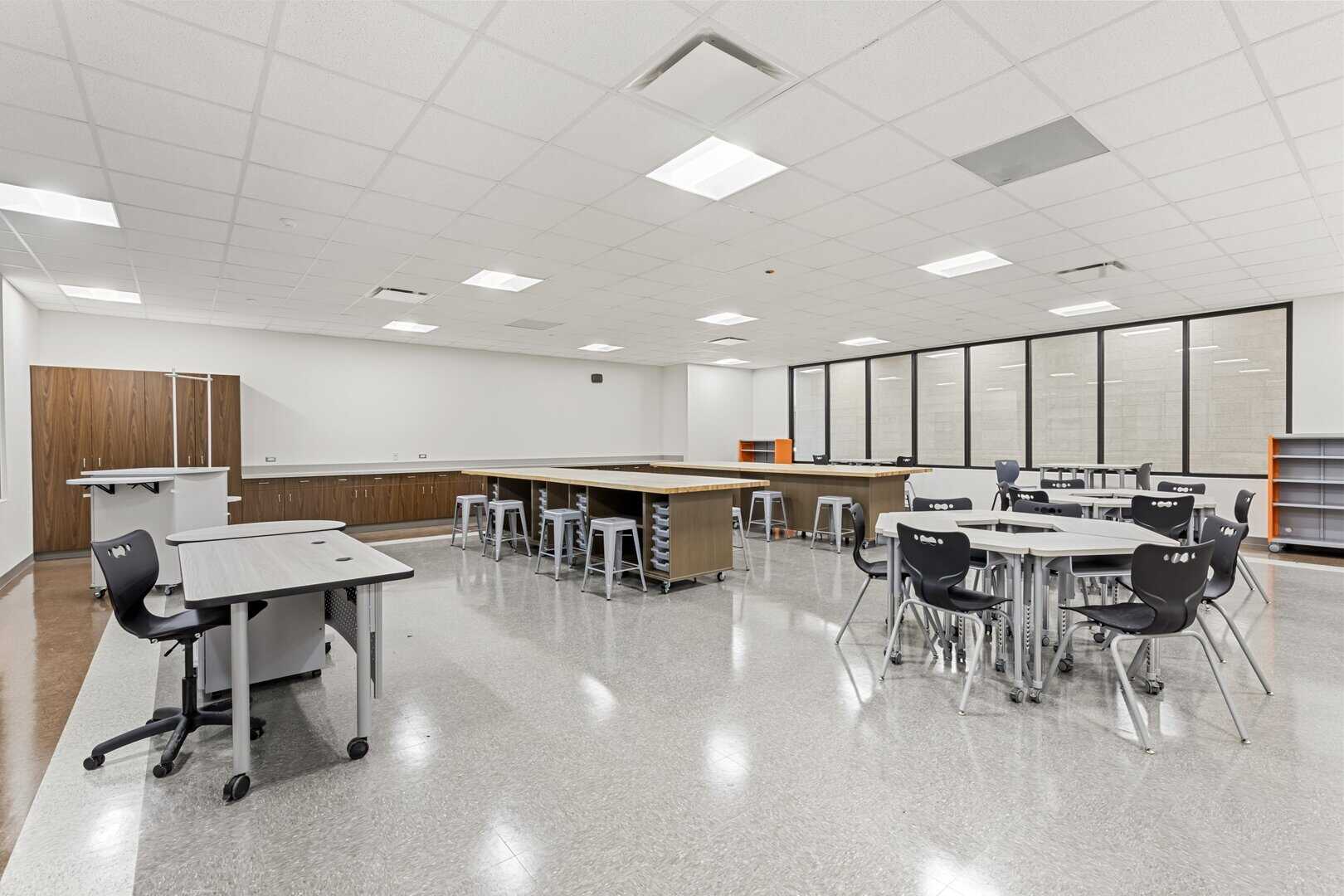
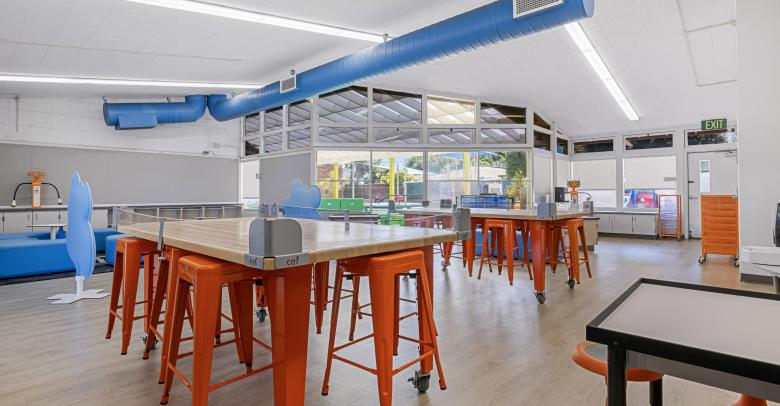
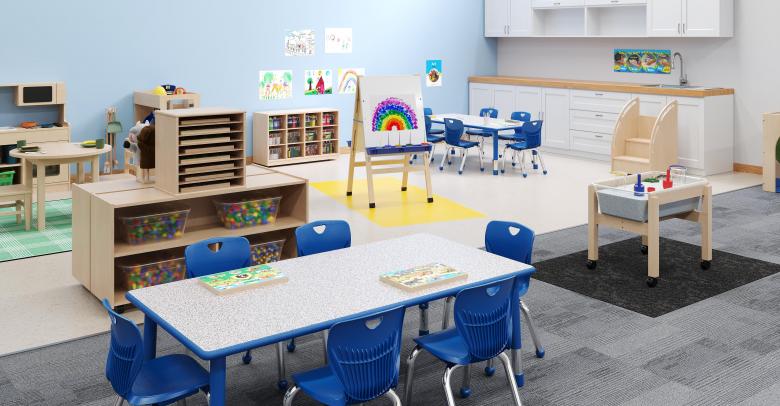
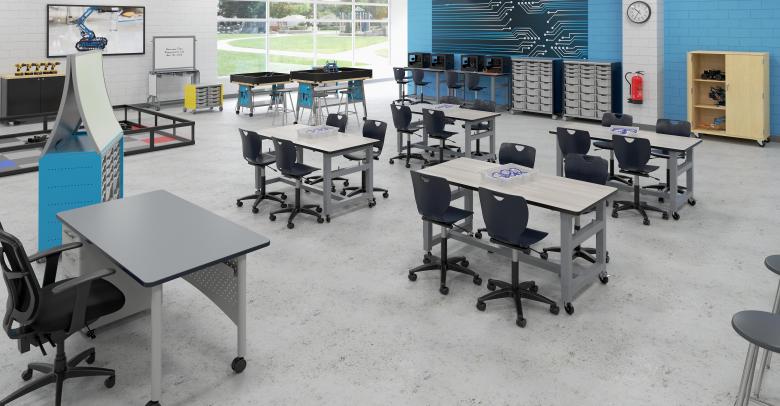
Agility and fluidity are necessary for creativity. Students require areas to experiment, move around, and try out new ideas, as well as the capacity to work in adaptable, dynamic groups as needed. Teachers can construct free-flowing environments that effectively support arts-related programs by using modular and mobile furnishings, such as tables on locking wheels that can be moved around the room and grouped into diverse configurations with ease.
Gather inspiration from peers.
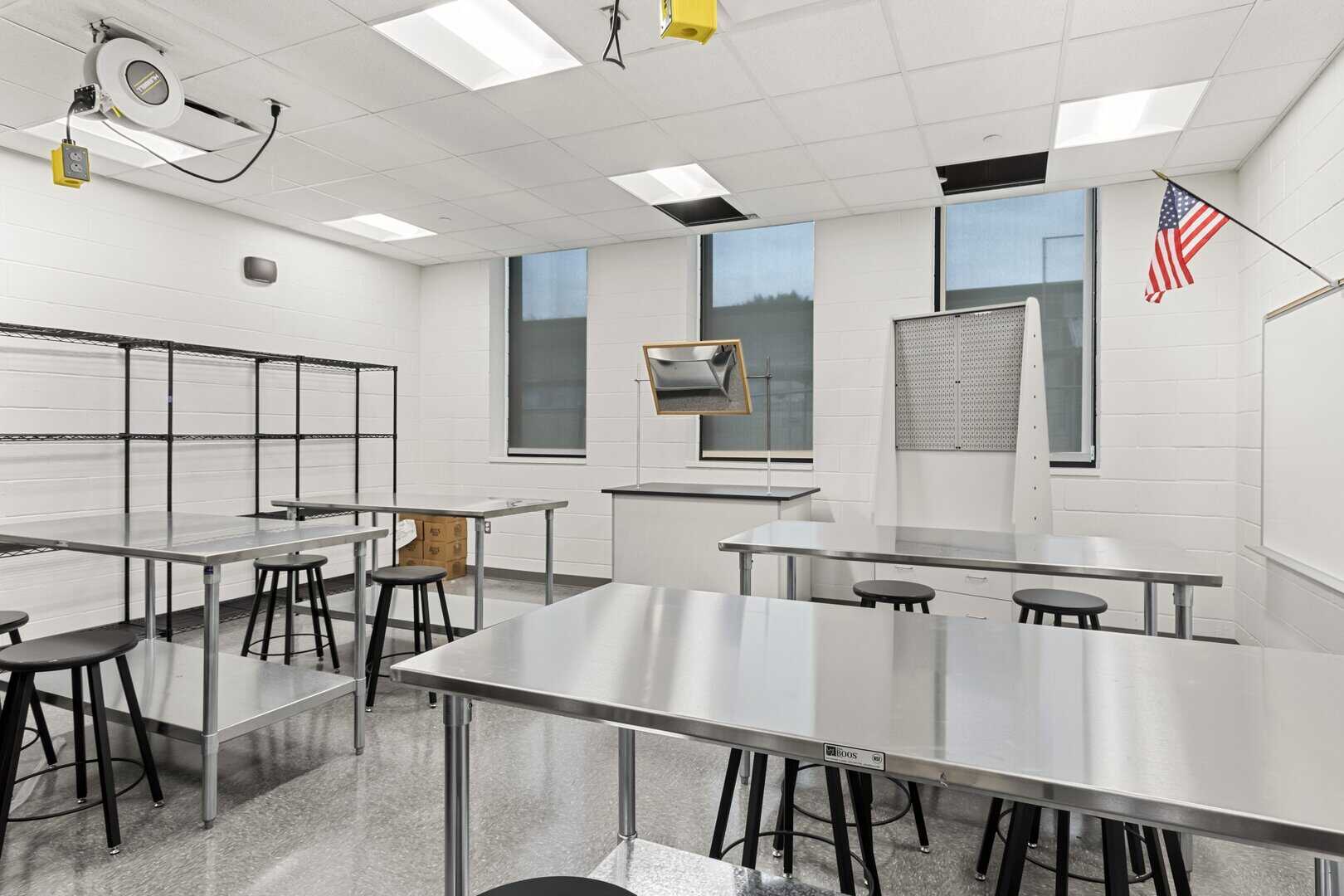
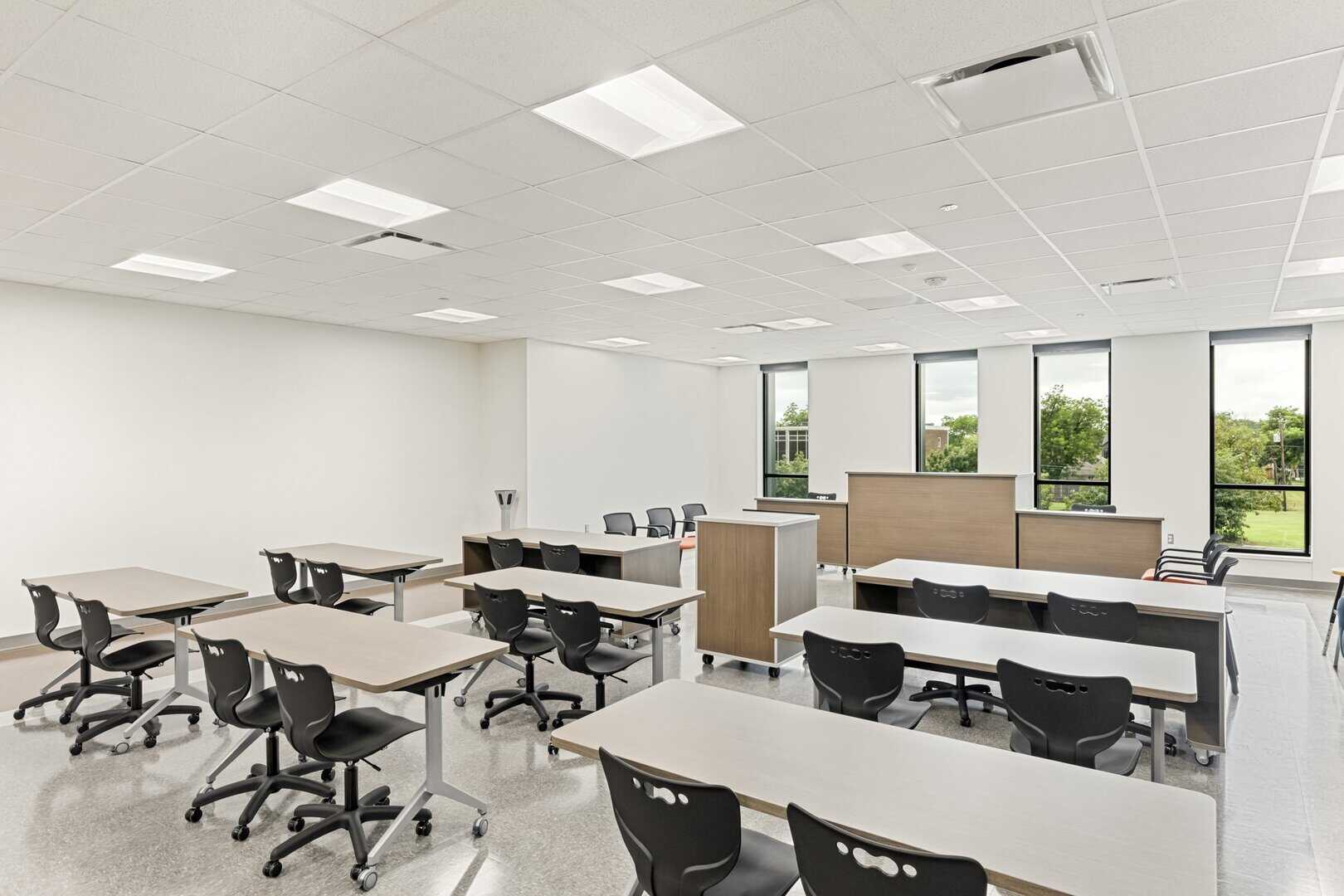
For its career exploration programs, Longfellow Academy recently completed a brand-new, cutting-edge facility spanning 144,000 square feet. The building’s career-based classrooms are designed, outfitted, and supplied with real furniture and supplies that people in those chosen fields use on a daily basis, all in keeping with the idea of authenticity.
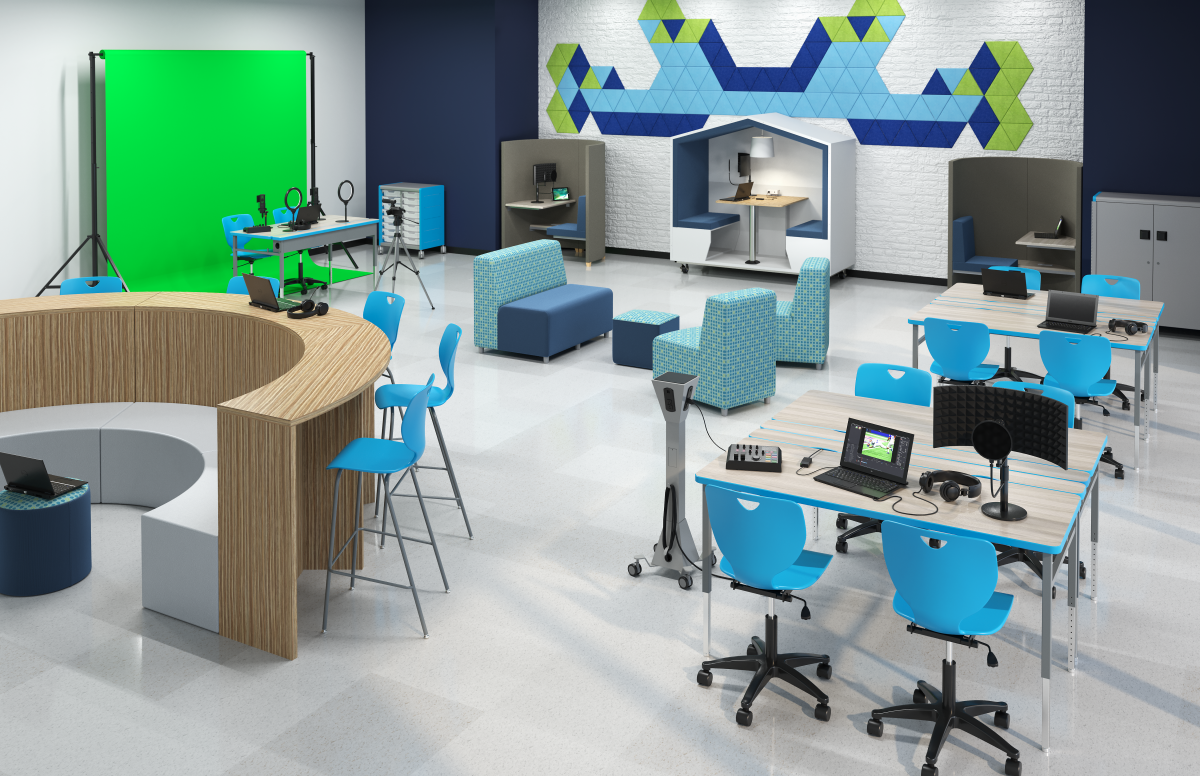
For example, the art and AV tech area has a podcasting studio, a news desk where students can practice broadcasting skills, a separate interview area designed like a talk show, and a huddle station where students can work together around a table and shared screen. For their productions, students employ editing software, professional-grade cameras, and microphones.
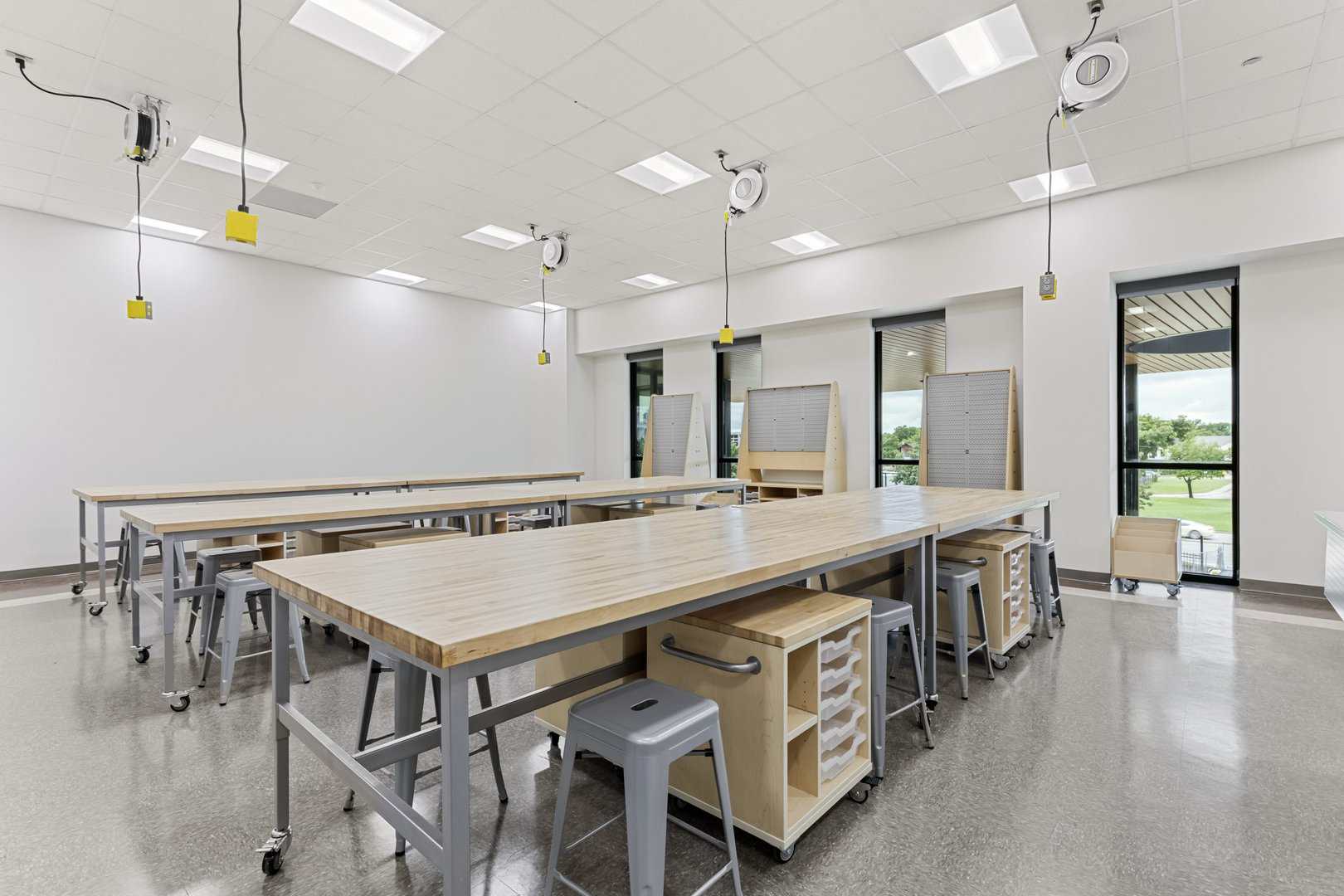
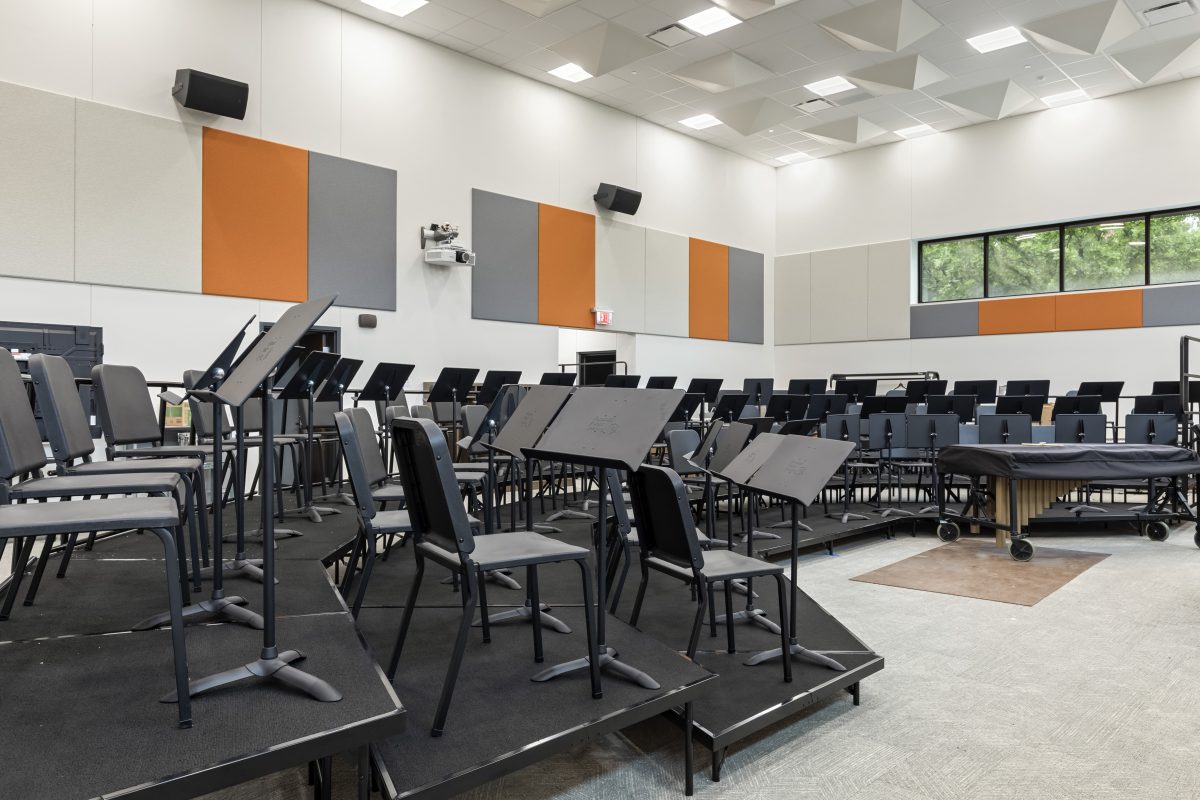
To help teachers make the most of this classroom space, the theater arts area includes an acting studio, a scene shop with tables for students to build sets and props, and adaptable “flipFORM” staging that can quickly convert from a flat stage to riser steps.
Developing Skills for Lasting Careers
Students’ cognitive, artistic, and social-emotional growth all benefit from an arts education, which can also lead to extremely successful careers in a variety of disciplines. K–12 administrators can guarantee that students who are creatively inclined have the chance to acquire and practice skills that can set them up for a successful career by including the arts in CTE programs. Students from diverse backgrounds, particularly those who might not otherwise have access to private instruction or extracurricular arts programs, can see themselves reflected in creative vocations when the arts are central to CTE.
School Specialty has extensive experience in helping K-12 leaders design, furnish, and equip CTE spaces that effectively support a broad spectrum of career fields, including the arts. To learn how our Projects By Design division can help you create dynamic CTE learning environments, call (888) 388-3224, or go to www.schoolspecialty.com/projects-by-design.
Dr. Sue Ann Highland is a National Education Strategist for School Specialty. She has more than 20 years of experience as an educator and administrator in school systems across Colorado, with broad expertise in designing and creating highly effective learning environments.
Dr. Wesley Ferreira is an internationally acclaimed clarinetist, educator, and keynote speaker recognized for his artistry and thought leadership at the intersection of performance and education. He has appeared worldwide as a soloist, chamber musician, and recording artist, with highlights including performances at Carnegie Hall and concerto appearances with orchestras across the globe. A Professor of Clarinet at Colorado State University, he is known for his innovative, holistic teaching approach that develops expressive, confident, and career-ready musicians. As a keynote speaker, he works with professionals in corporate and educational sectors on performance mindset and leadership. He also speaks passionately on arts advocacy, showing how the artistic mindset and creative toolkit prepare students for viable careers, personal growth, and lifelong transformation.
Leave a Reply